



5 Jahre Garantie
Kostenloser Versand
Sichere Zahlungen
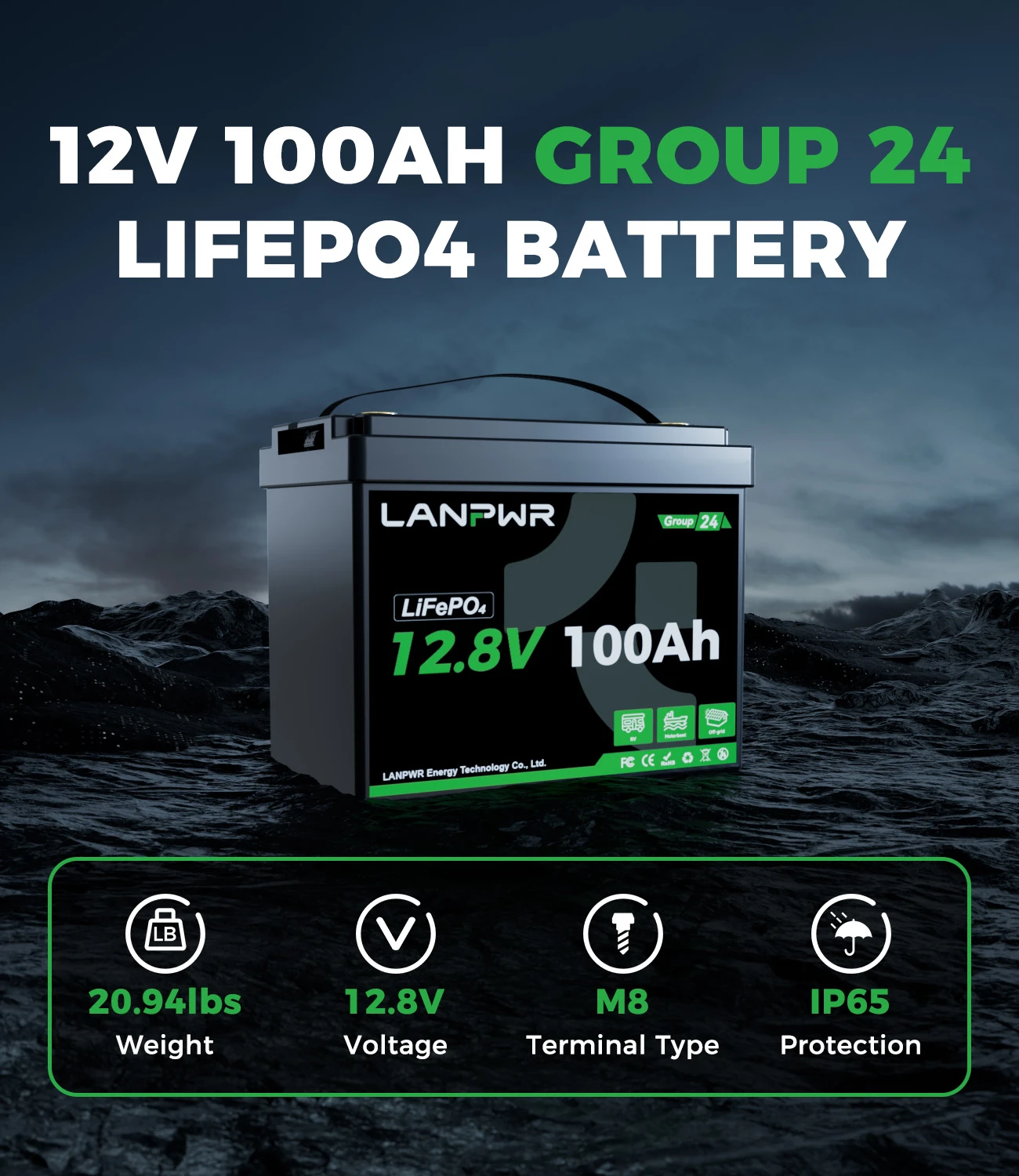
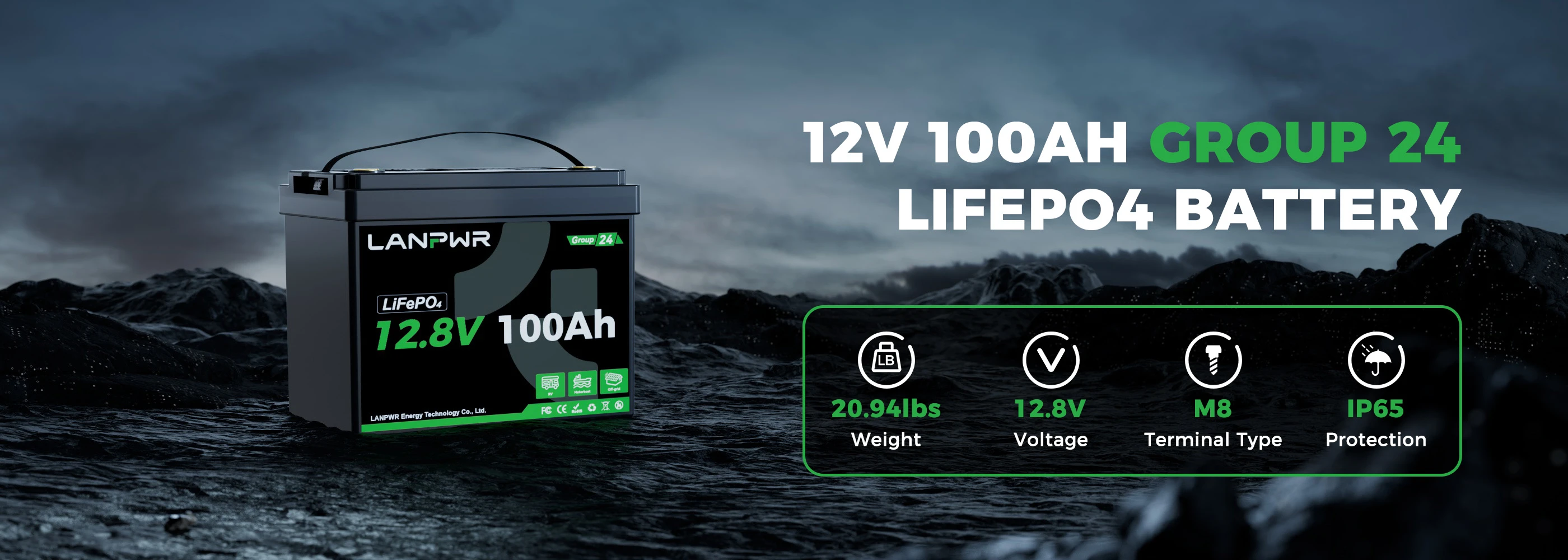
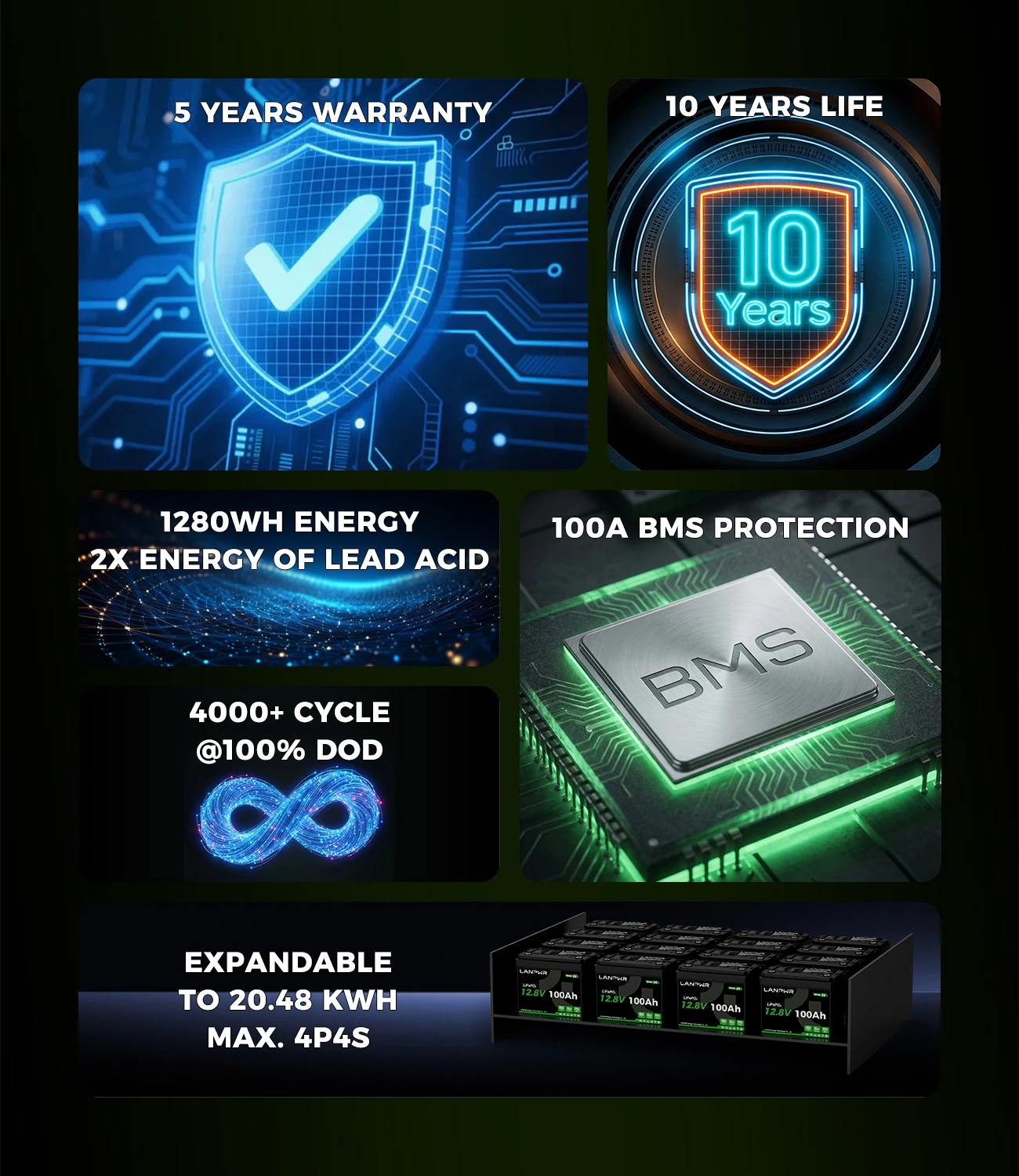
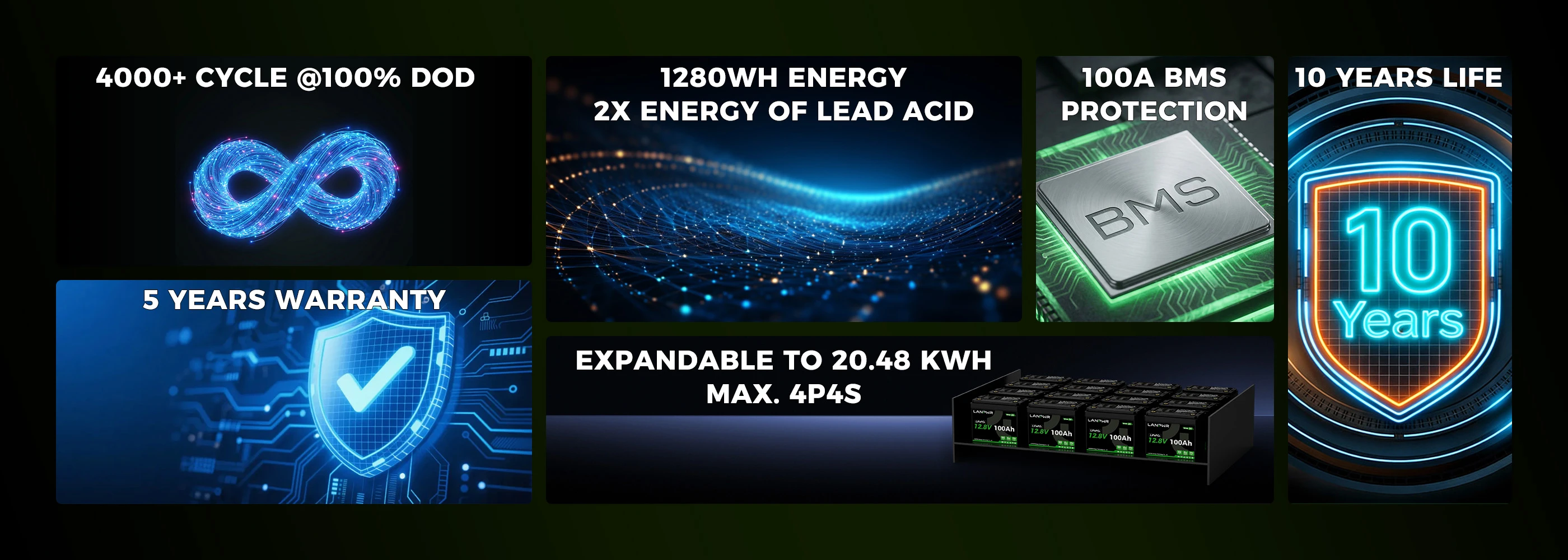






Maximale Erweiterung (Parallel- und Serienschaltung):
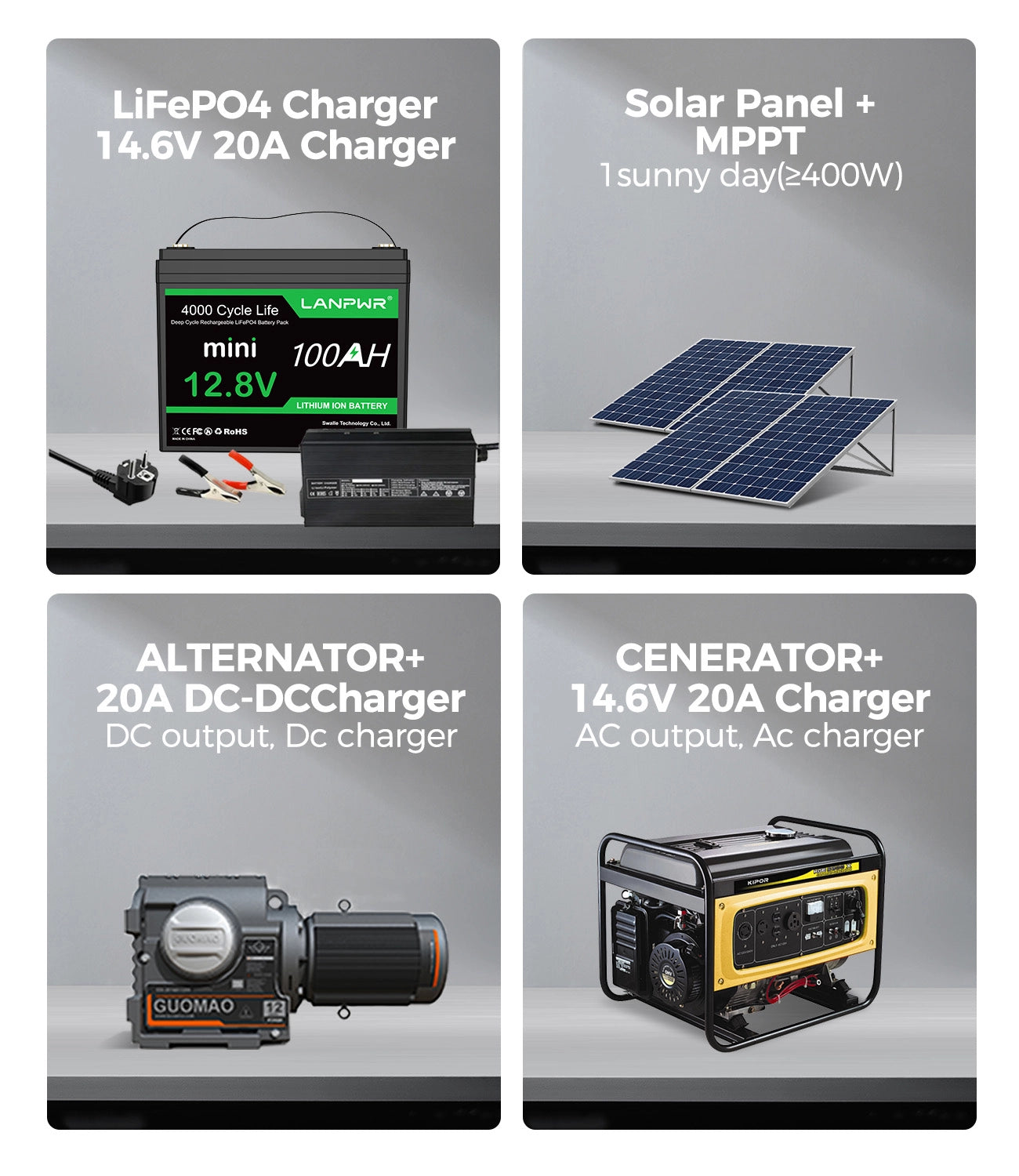
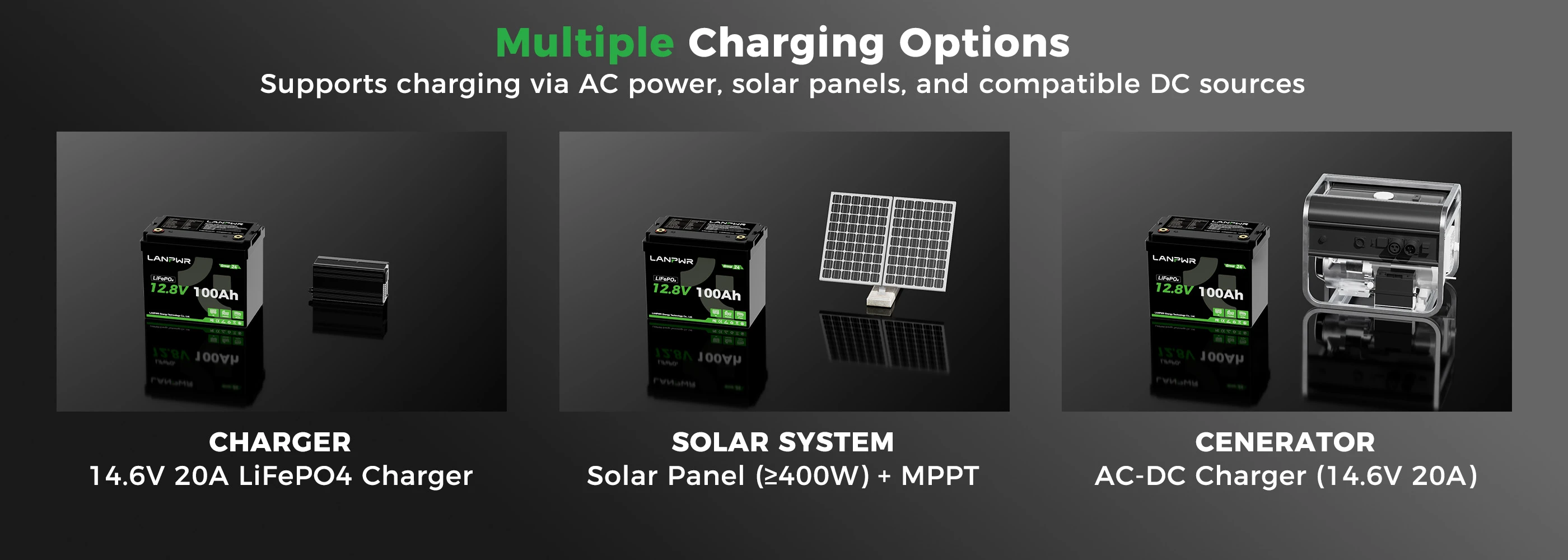
Empfohlener Ladestrom:
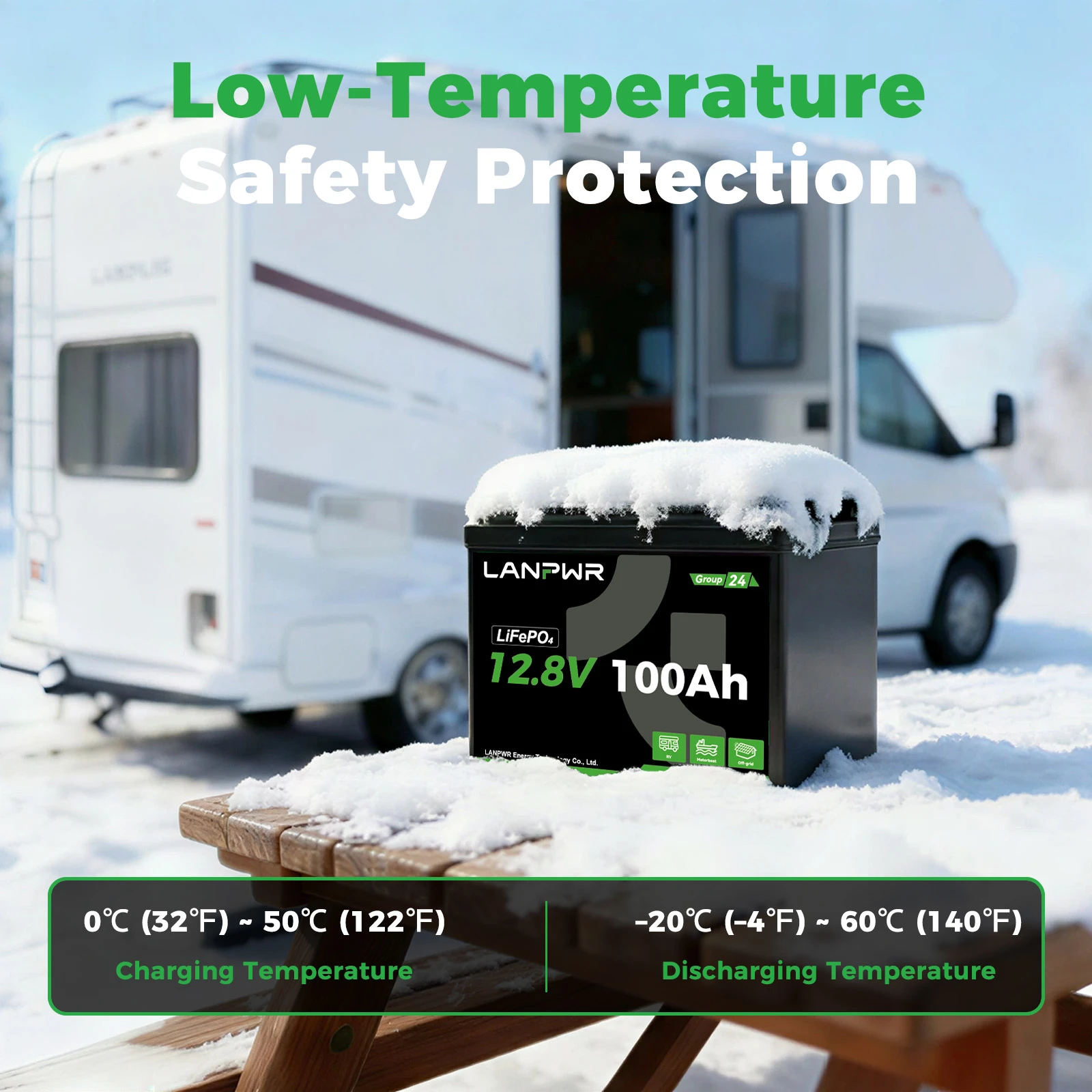
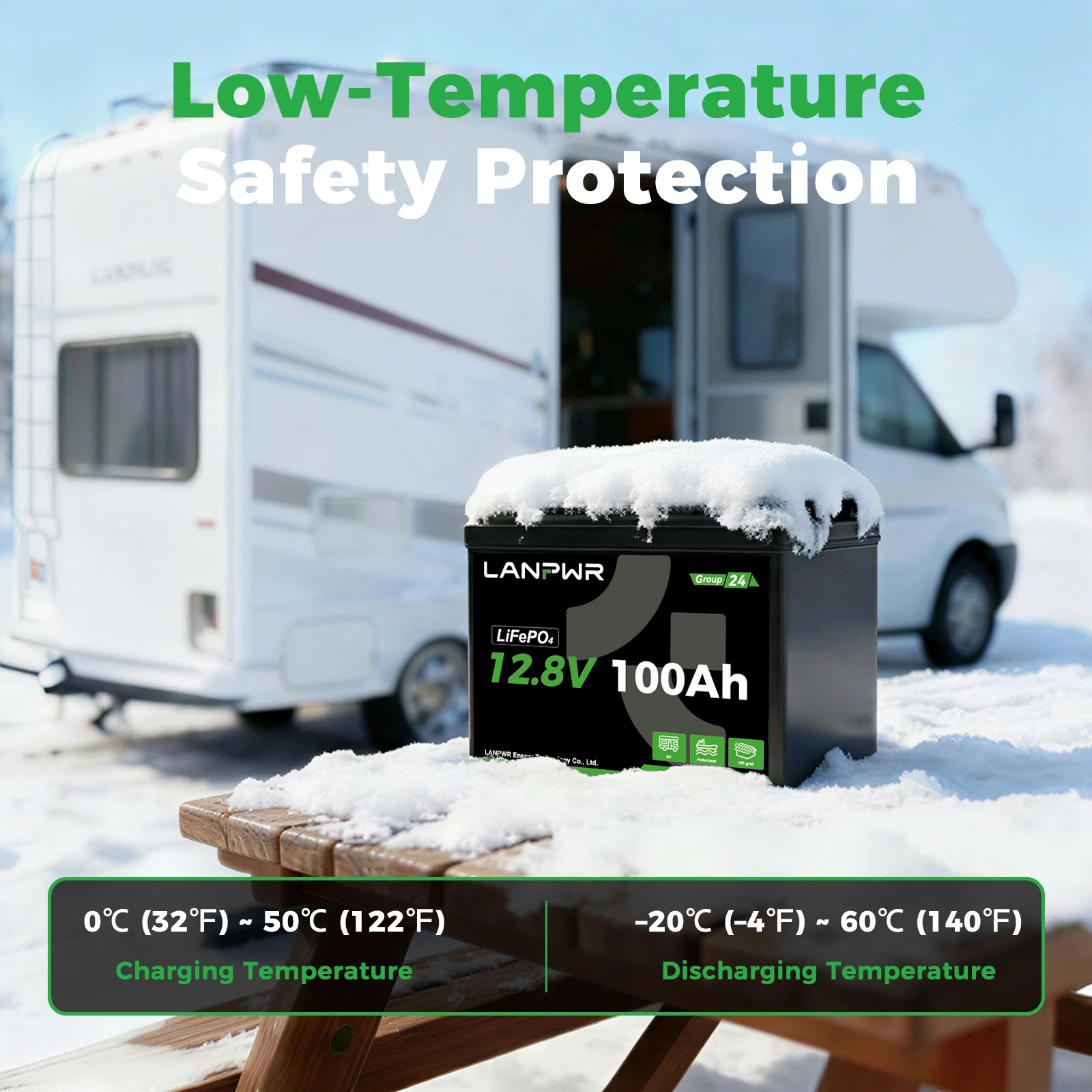
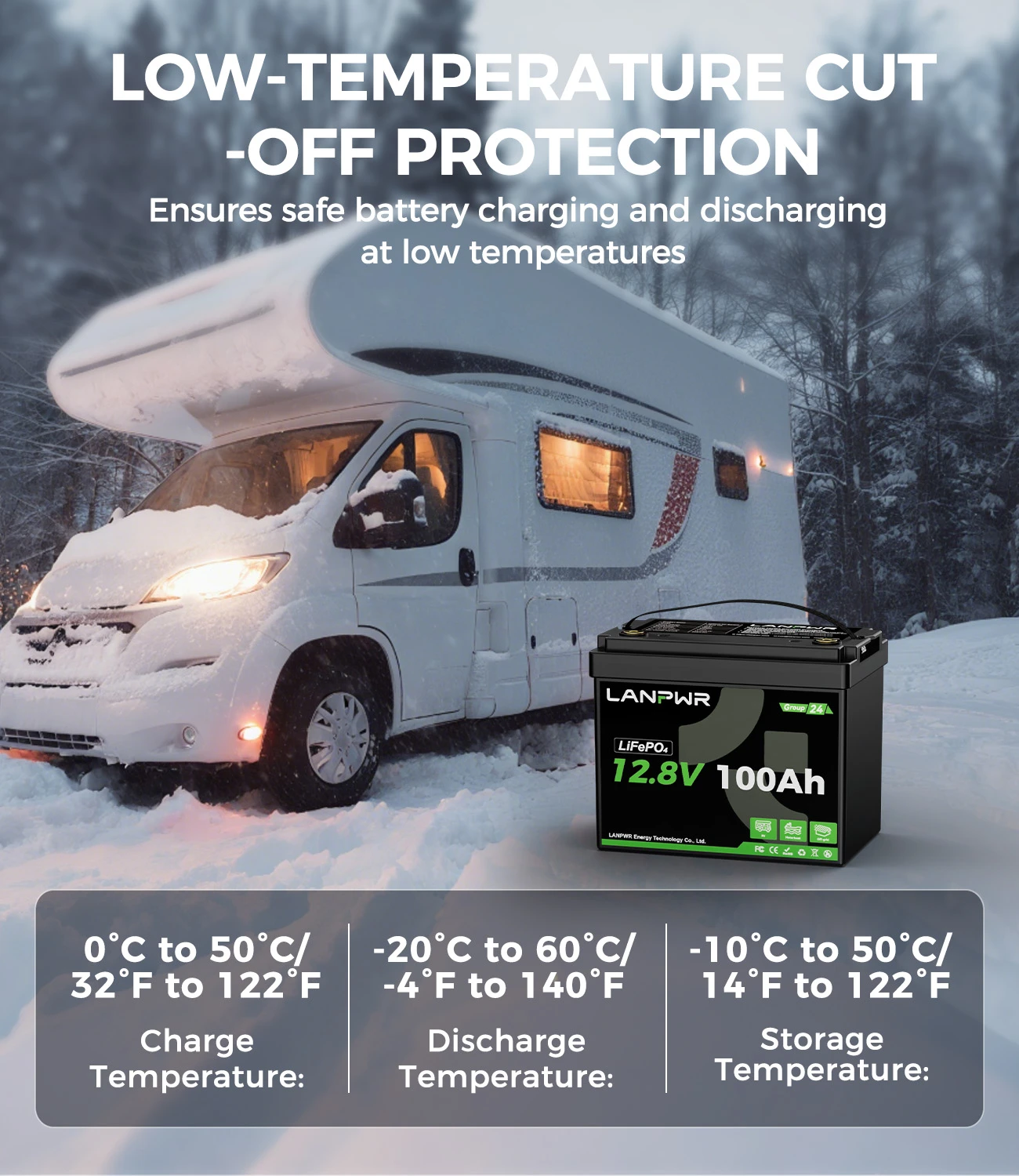
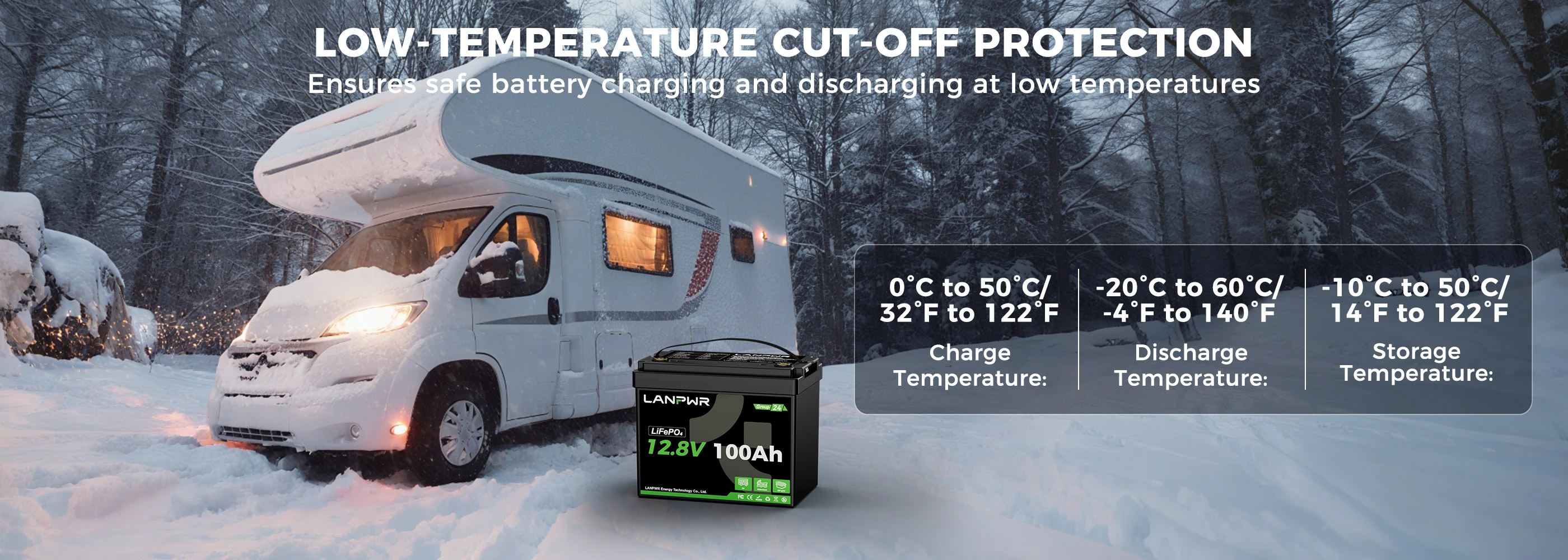
Ladetemperatur:
Entladungstemperatur:
Lagertemperatur:
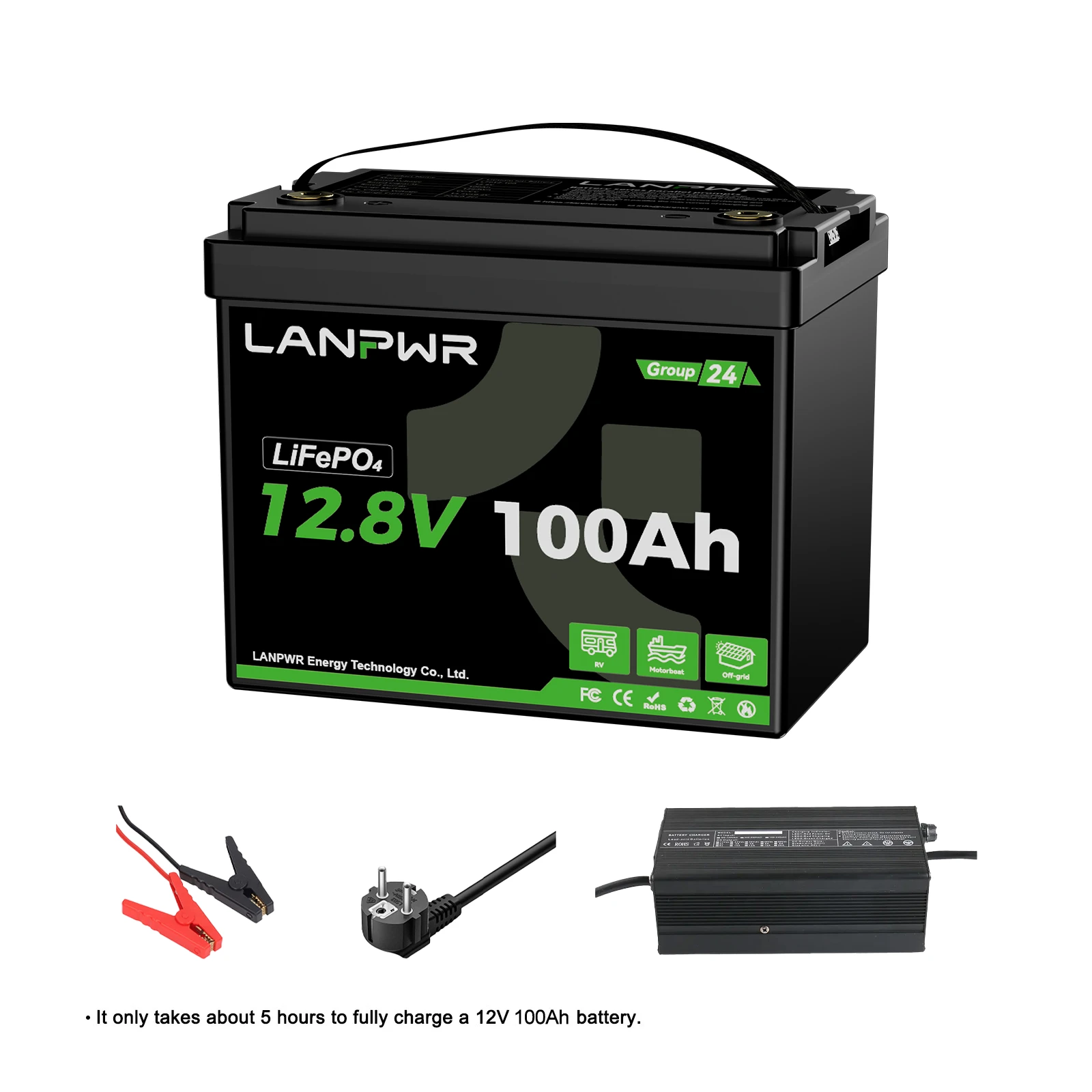
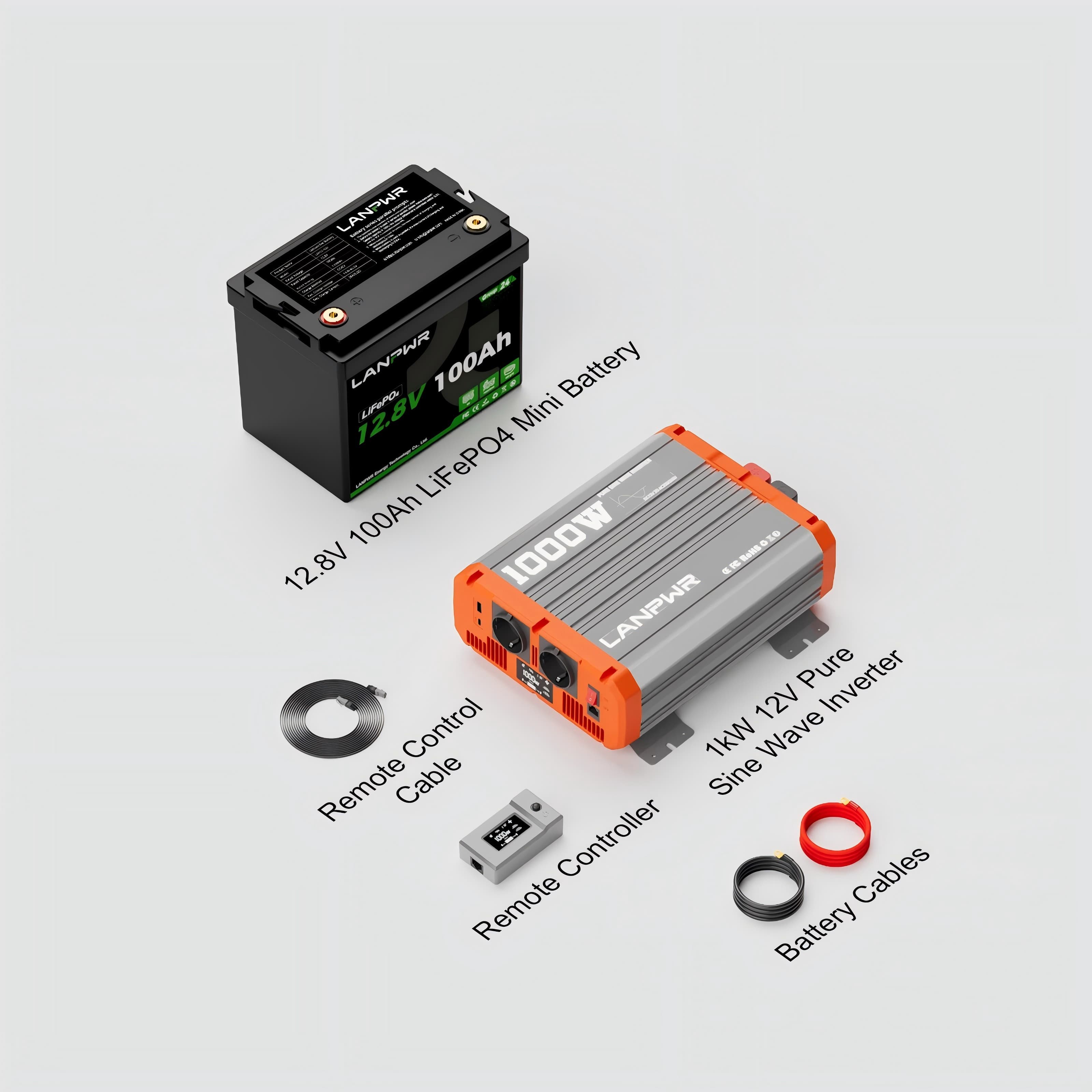
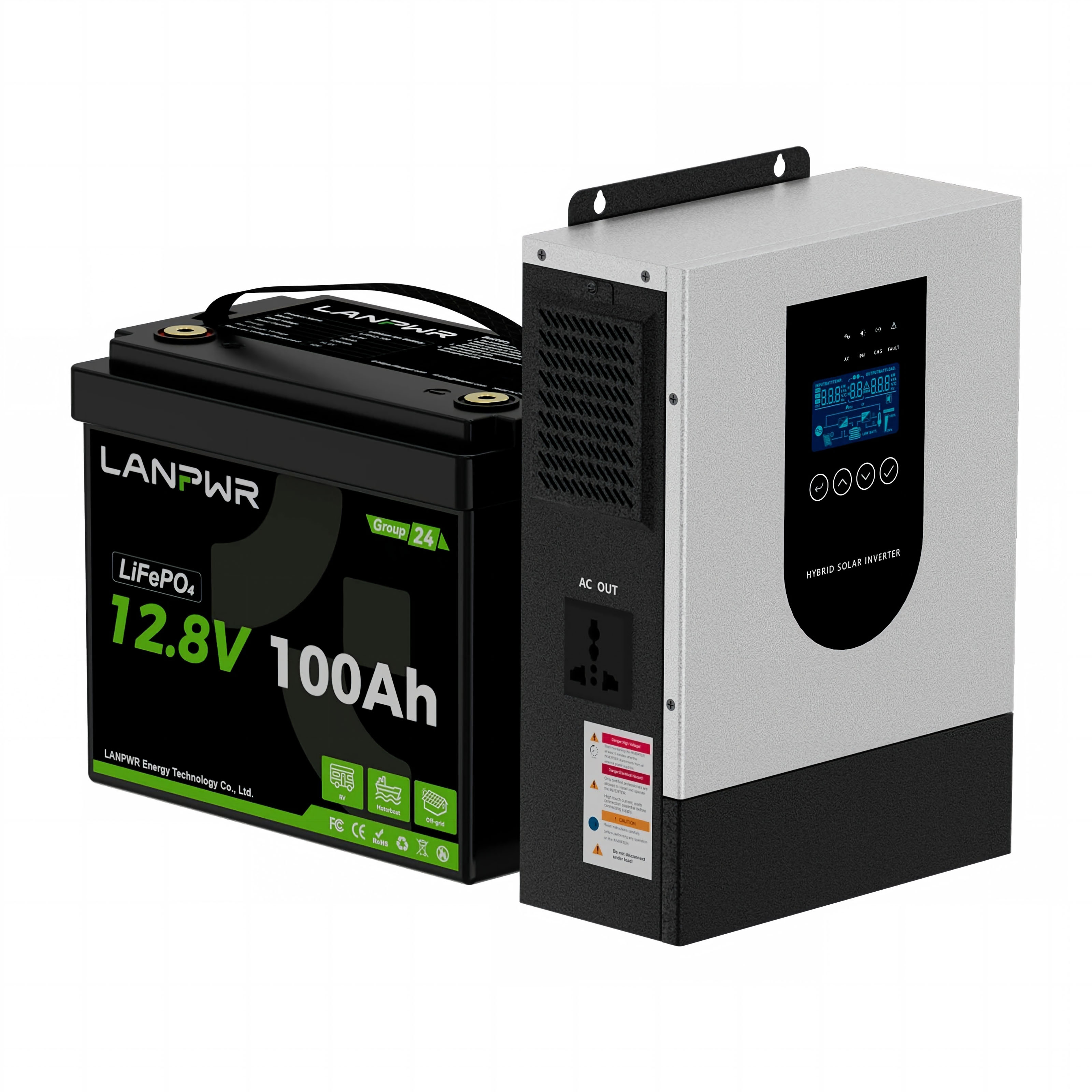
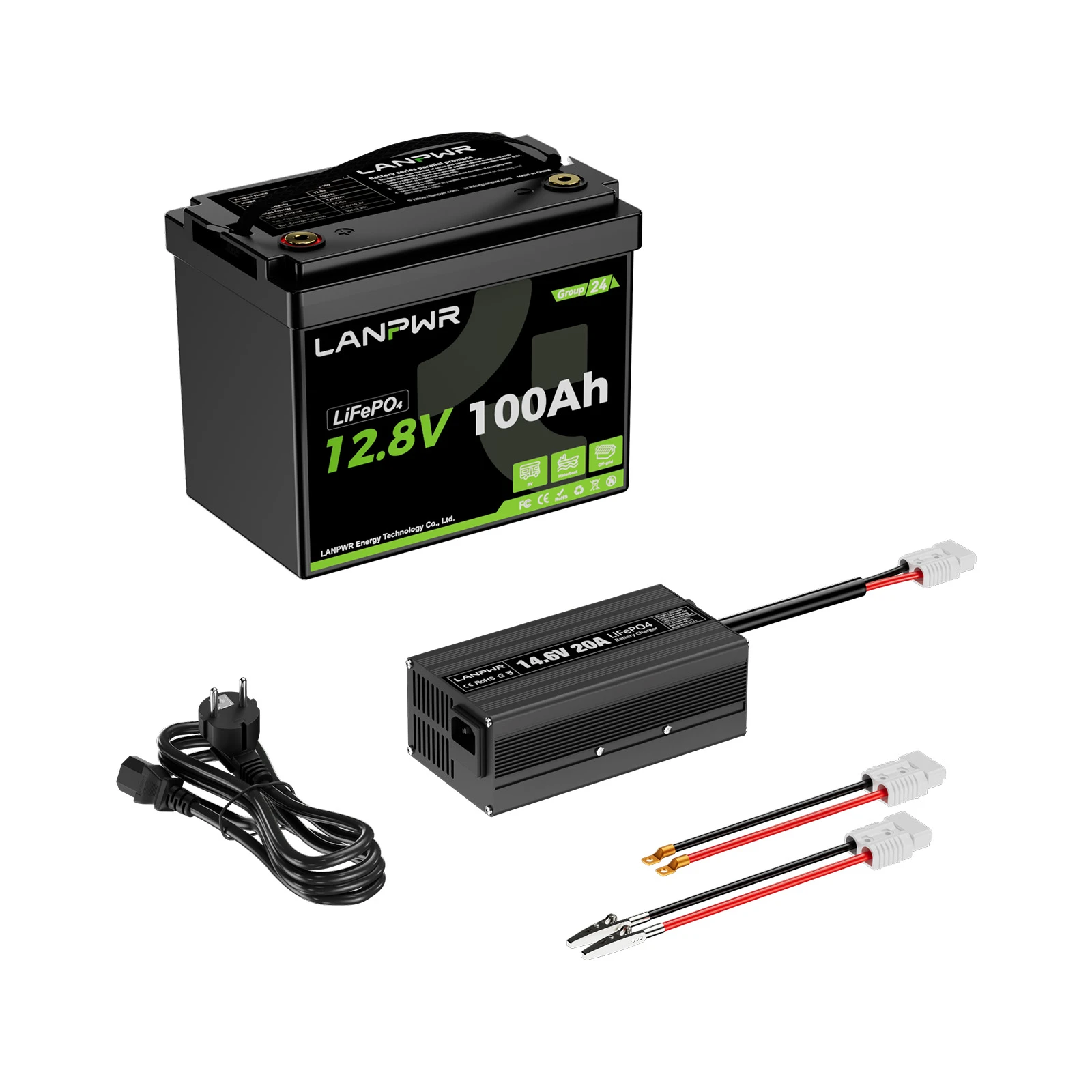
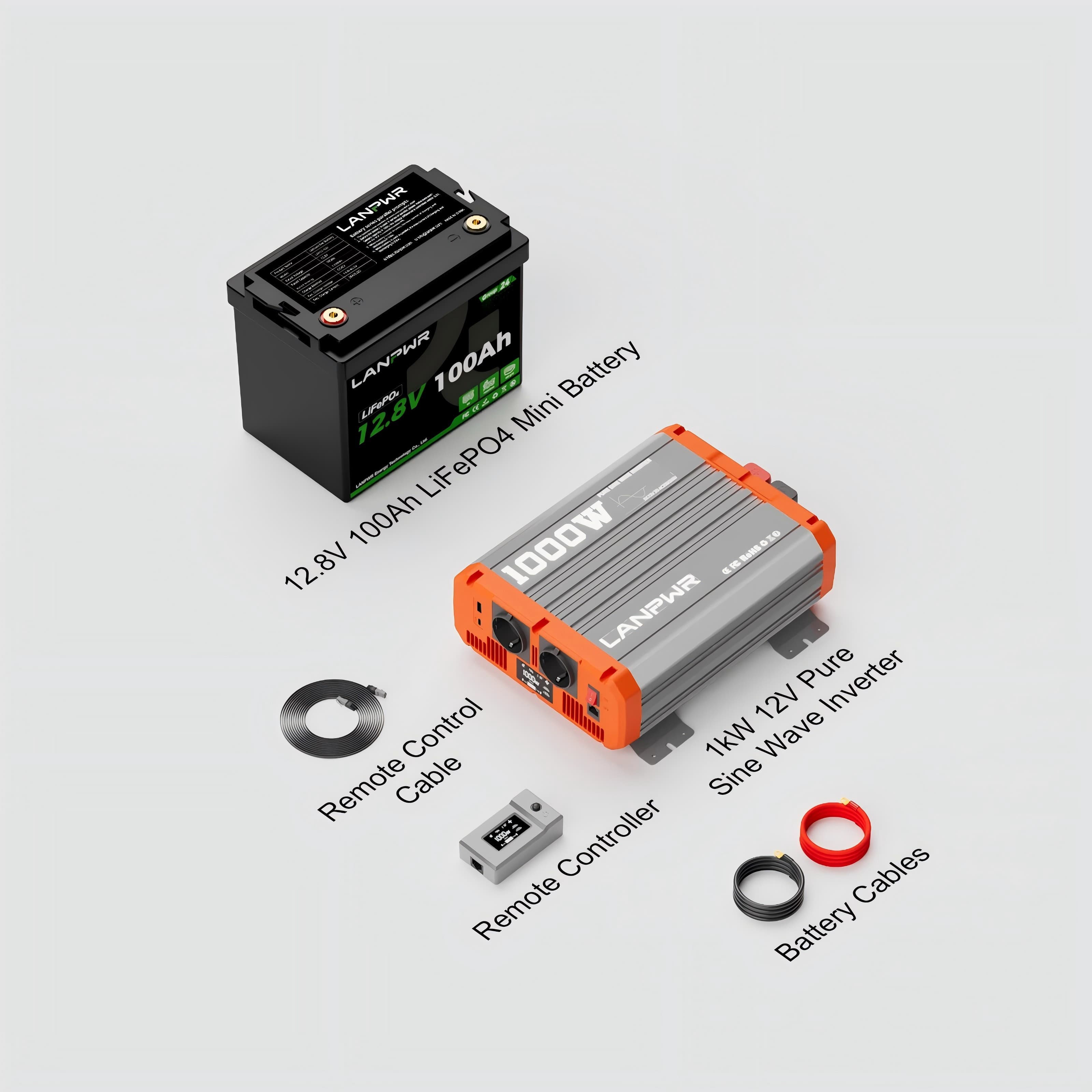
Was ist in der Box?
A:
Wenn Sie Ihre Batterie erhalten, beachten Sie bitte, dass sie aufgrund von Transport und Lagerung einen niedrigen Ladezustand (SOC) haben kann. Für optimale Leistung empfehlen wir, die Batterie sofort mit einem AC-DC Lithium-Batterieladegerät oder einem MPPT-Solarladeregler aufzuladen, um eine Überentladung zu vermeiden.
Wenn Sie die Batterie über einen längeren Zeitraum ohne Nutzung lagern möchten, empfehlen wir, sie auf einen SOC von 30 % bis 50 % aufzuladen und alle drei Monate Wartungsarbeiten durchzuführen. Diese Maßnahmen helfen, ihre Funktionalität und Leistung auf lange Sicht zu erhalten.
A:
Der Hauptunterschied zwischen einer G24- und einer G31-Batterie liegt in ihrer physischen Größe. G24-Batterien sind im Allgemeinen kleiner im Vergleich zu G31-Batterien.
A:
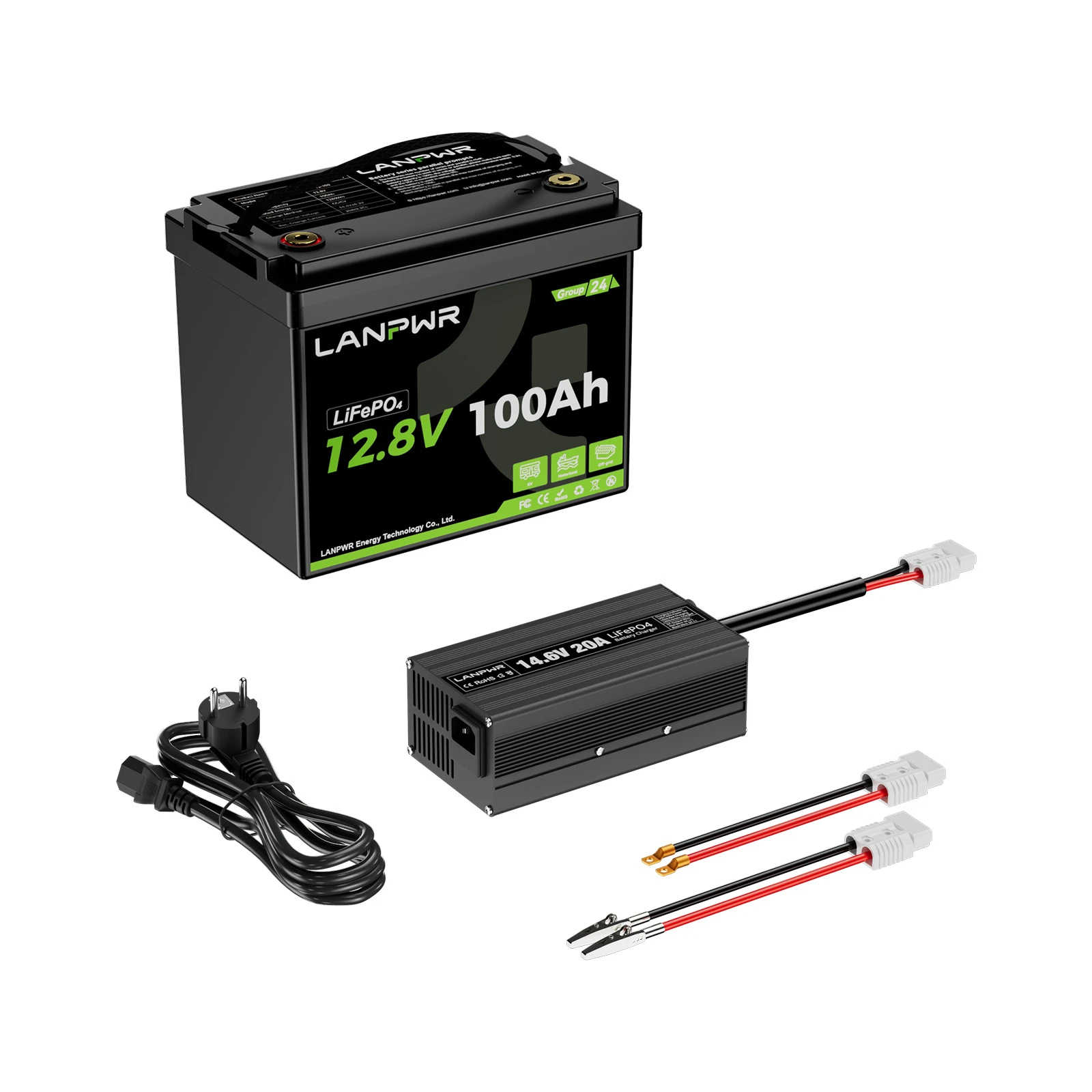
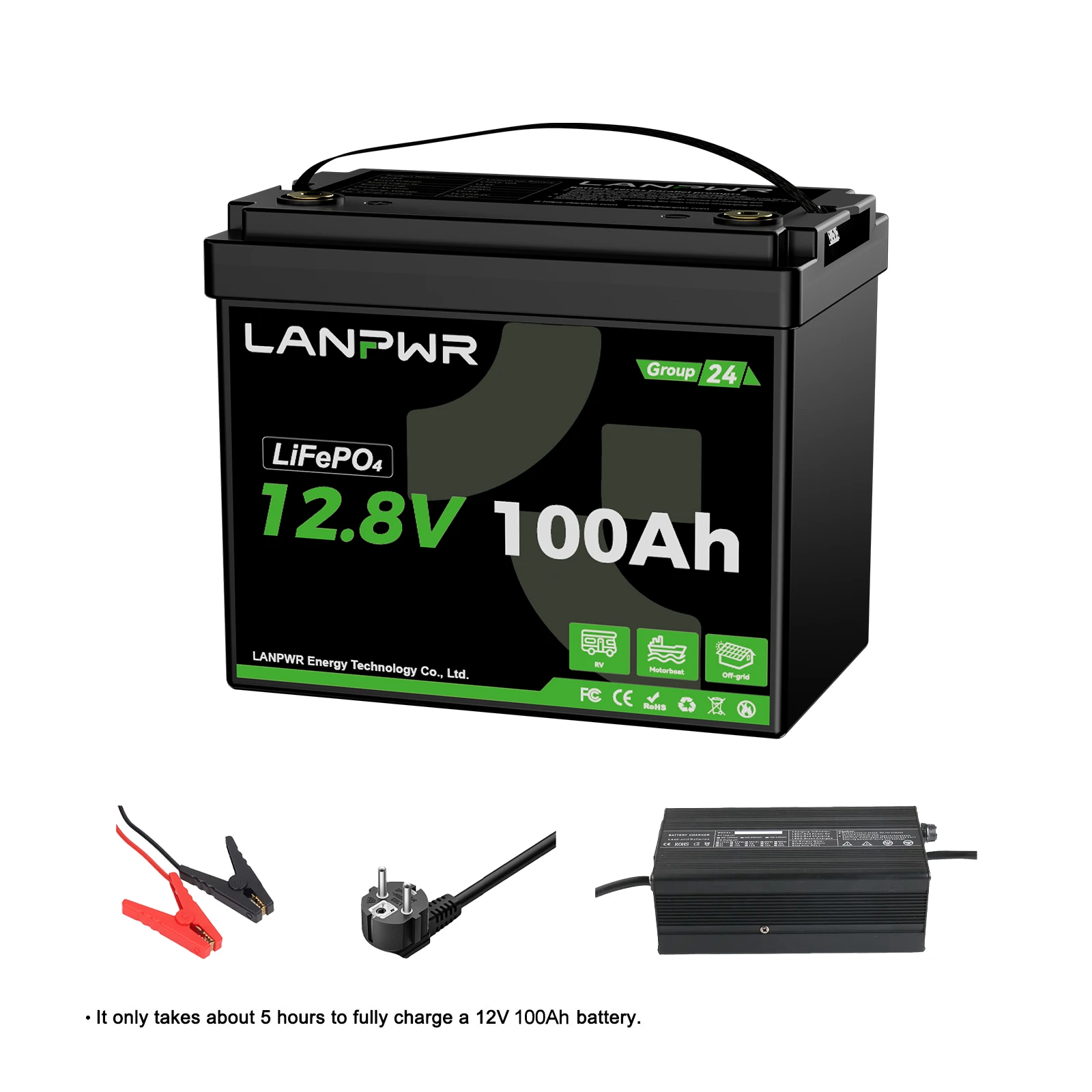
Das Batteriepaket enthält:
Hinweis: Komponenten wie Kabel, Sicherungen, Sammelschienen oder andere Zubehörteile, die für spezifische Anwendungen oder zur Erweiterung benötigt werden, sind nicht enthalten und müssen separat erworben werden.
A:
Bitte beachten Sie, dass dieses Modell nur aufgeladen werden sollte, wenn die Temperatur der Batterie über 0 °C (32 °F) liegt. Das Laden bei Frosttemperaturen schädigt die Zellen. An kalten Tagen ist es am besten, die Batterie zum Laden ins Innere zu bringen.
Für das Laden bei Frosttemperaturen: Wenn Ihre Anwendung das Laden bei subzero Wetter erfordert (z. B. Winter-RVing, Off-Grid-Hütten), ziehen Sie unsere LANPWR-Kaltwetterbatterien in Betracht. Diese fortschrittlichen Batterien verfügen über ein integriertes System (Schutz vor niedrigem Temperatur-Ladeabschaltung), das das Laden bei Kälte automatisch verwaltet und Ihre Investition schützt.
A:
A:
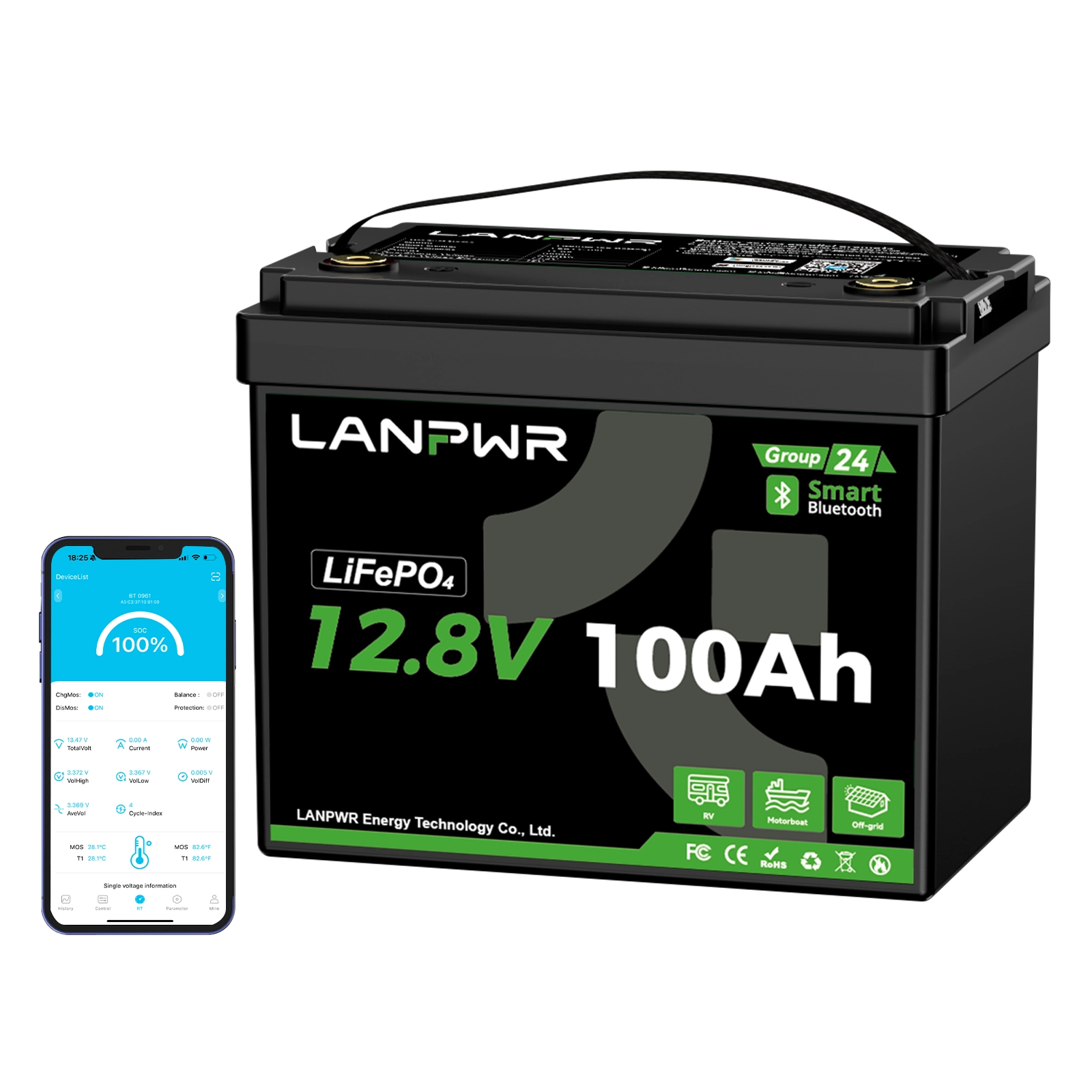
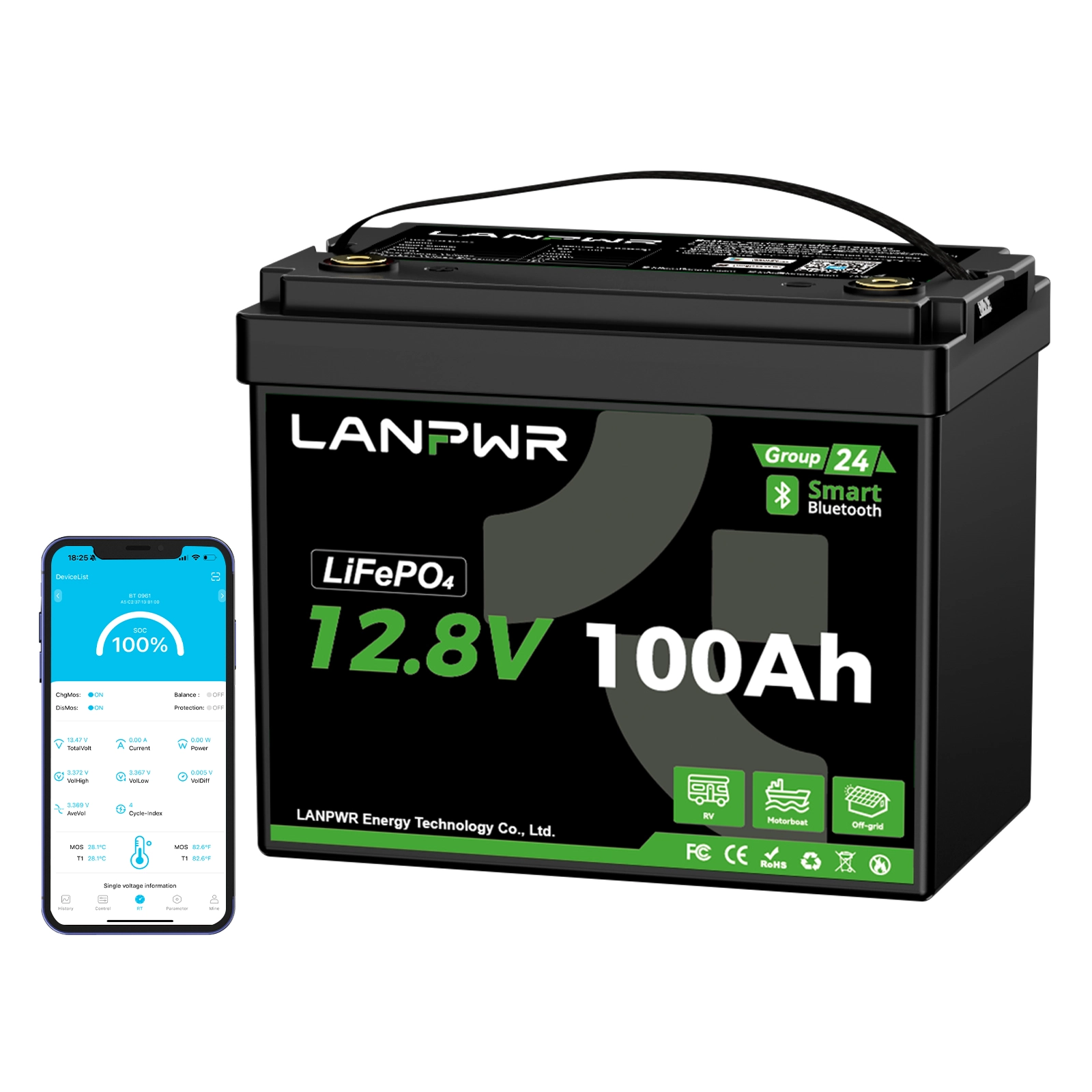
Dieses Batteriemodell verfügt nicht über integriertes Bluetooth.
Für eine G24 Mini-Batterie mit Bluetooth-Funktionalität können Sie die LANPWR G24 Mini Smart erkunden.
A:
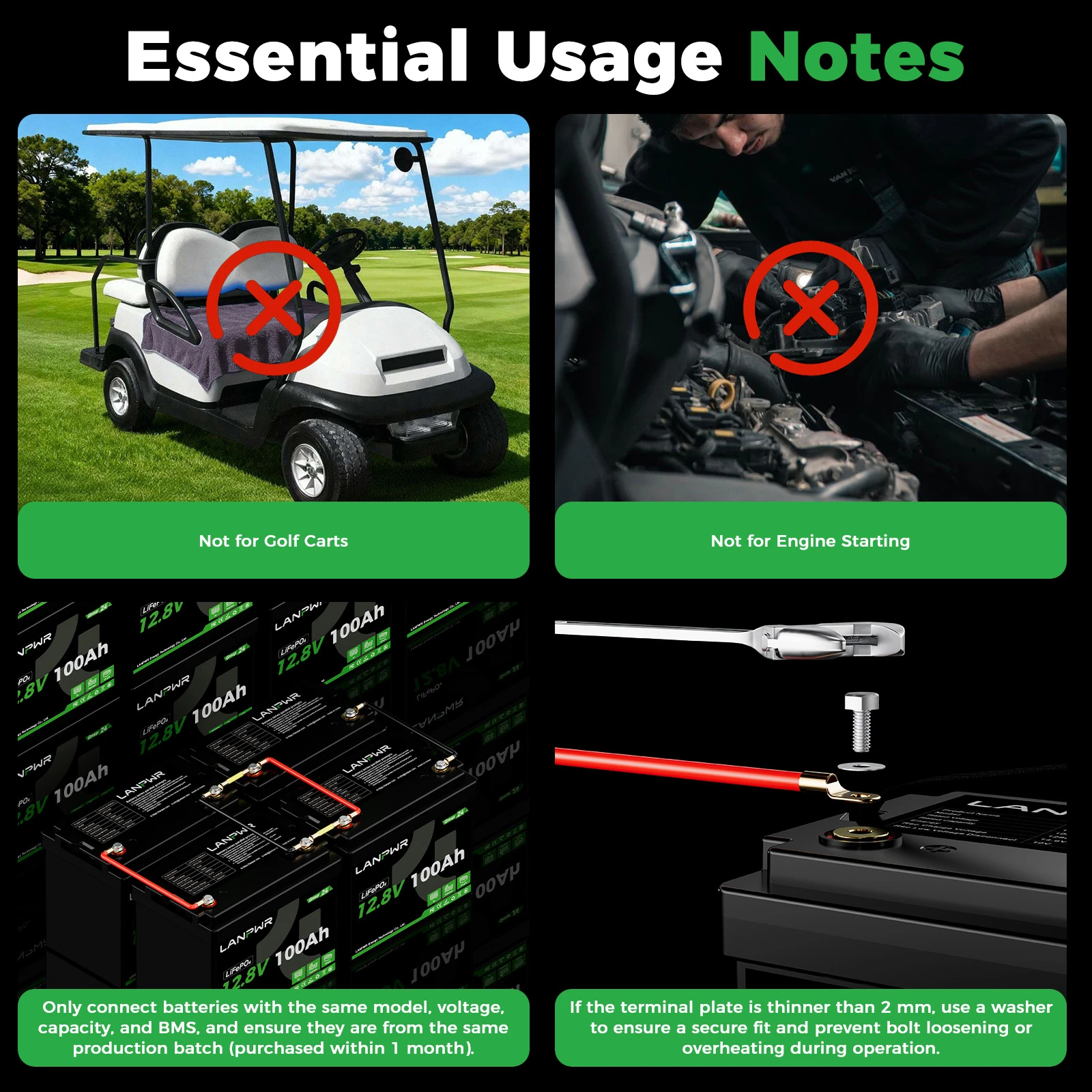
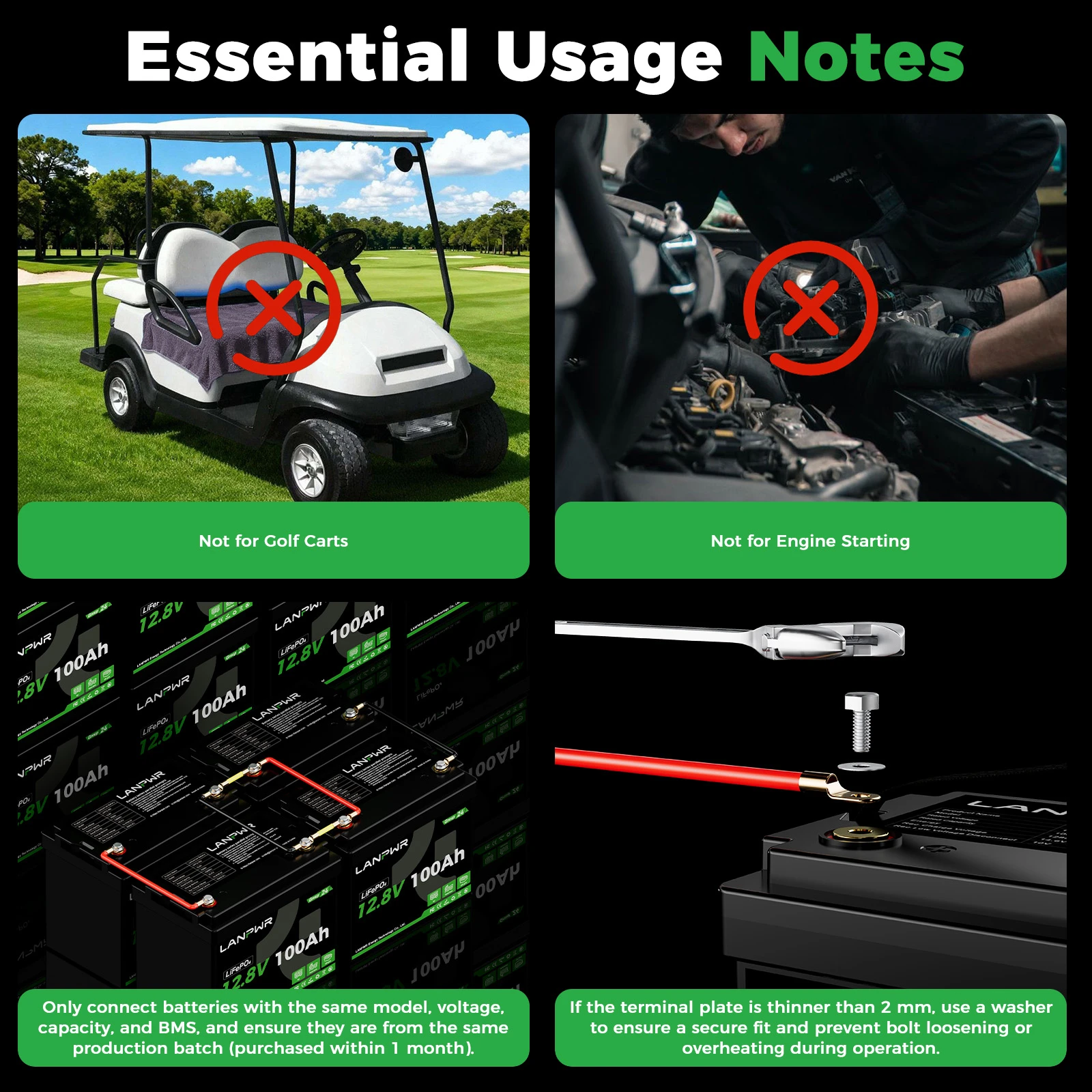
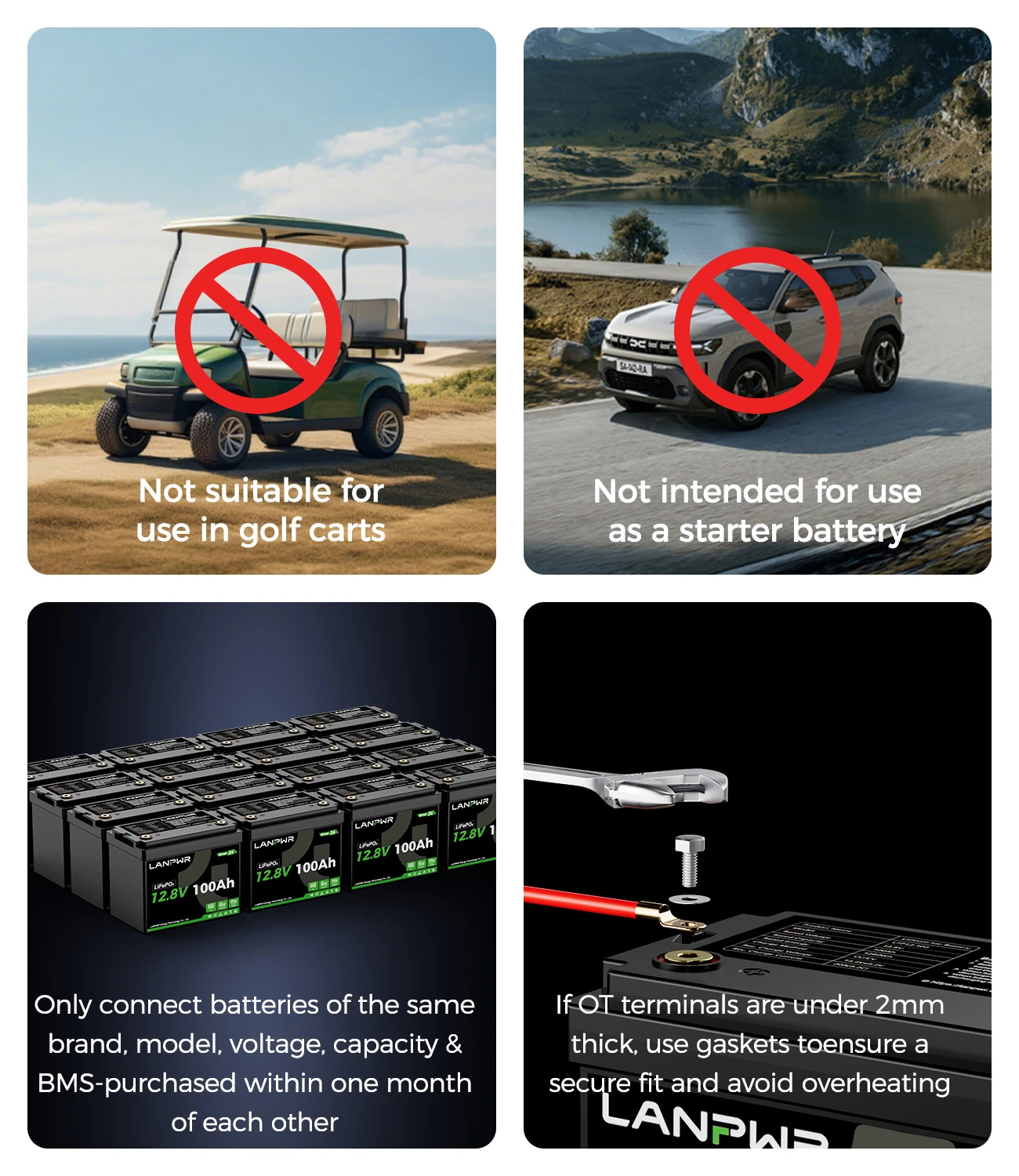
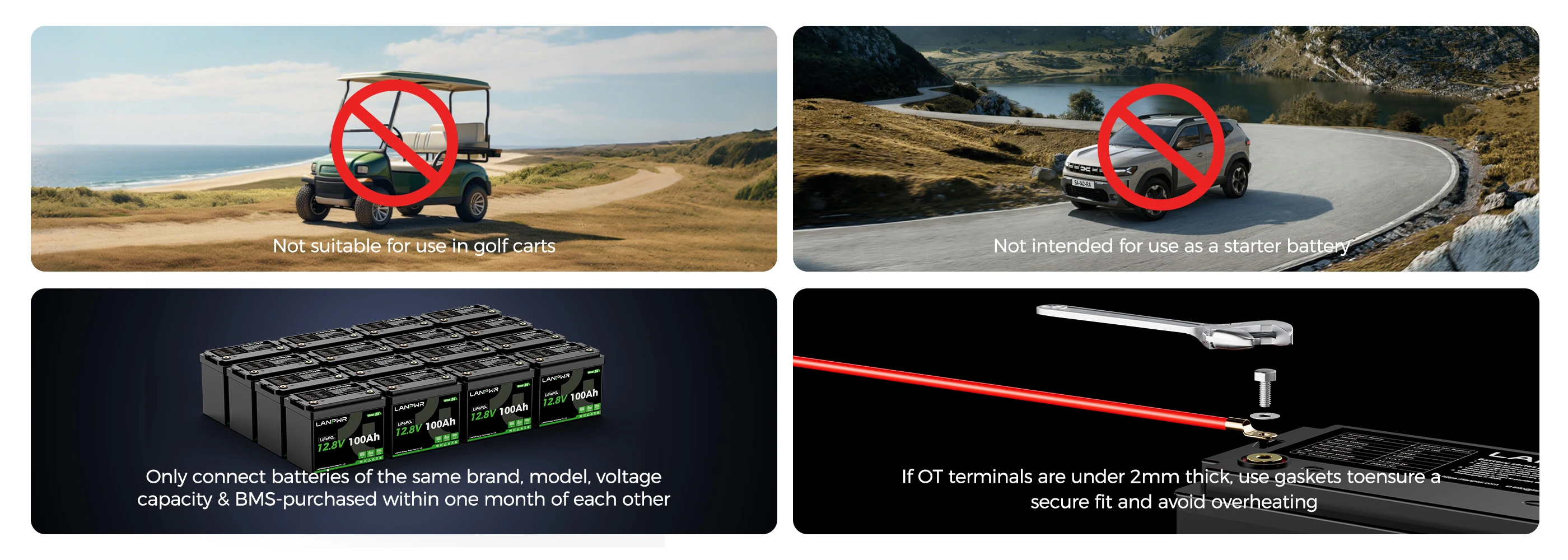
Ja, die Batterie kann in Reihe oder parallel geschaltet werden, um die Spannung oder Kapazität zu erhöhen:
Hinweis: Zusätzliche Komponenten wie Kabel, Sicherungen und Sammelschienen sind für die Installation erforderlich und müssen separat gekauft werden.
A:
Verwenden Sie ein LiFePO₄-kompatibles Ladegerät:
A:
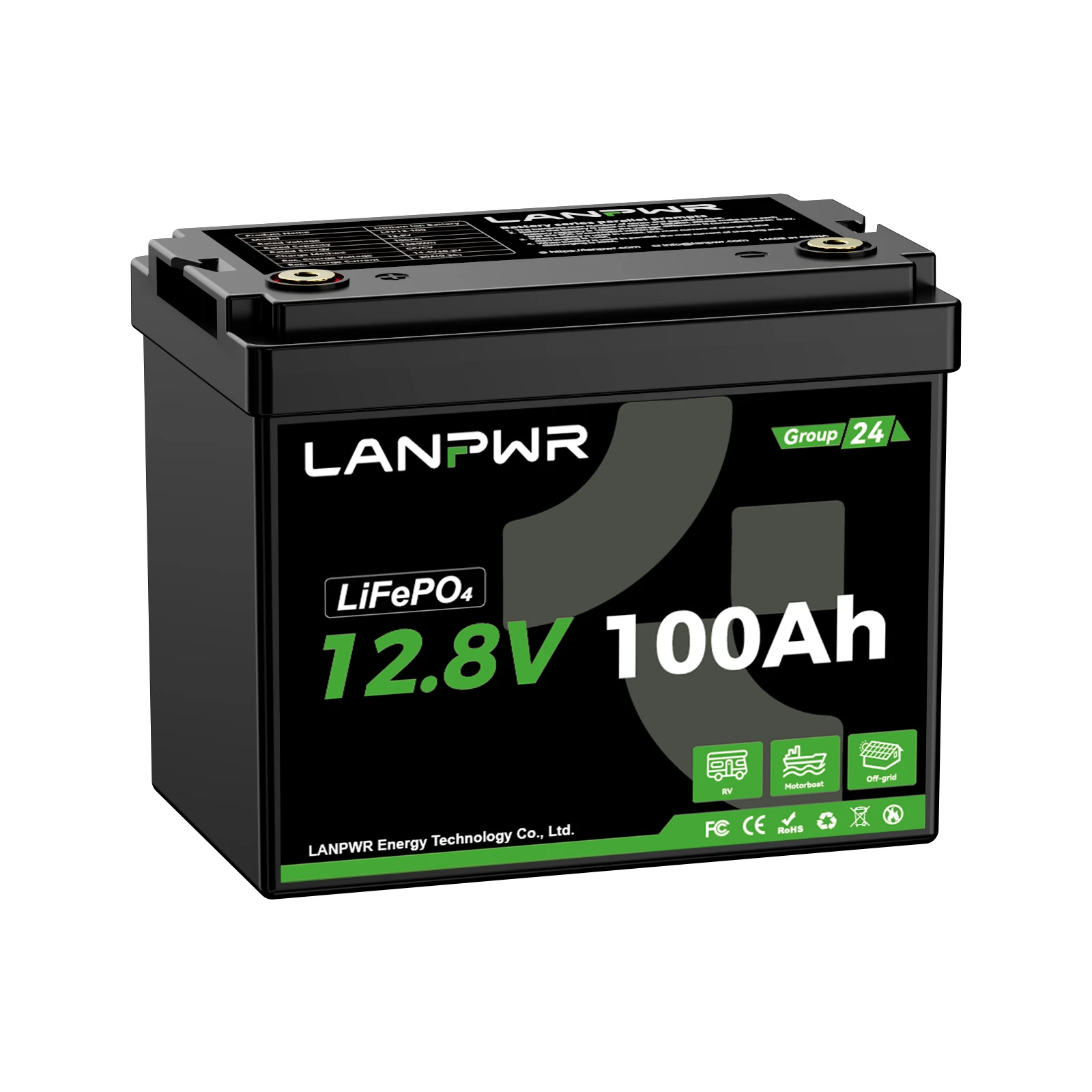
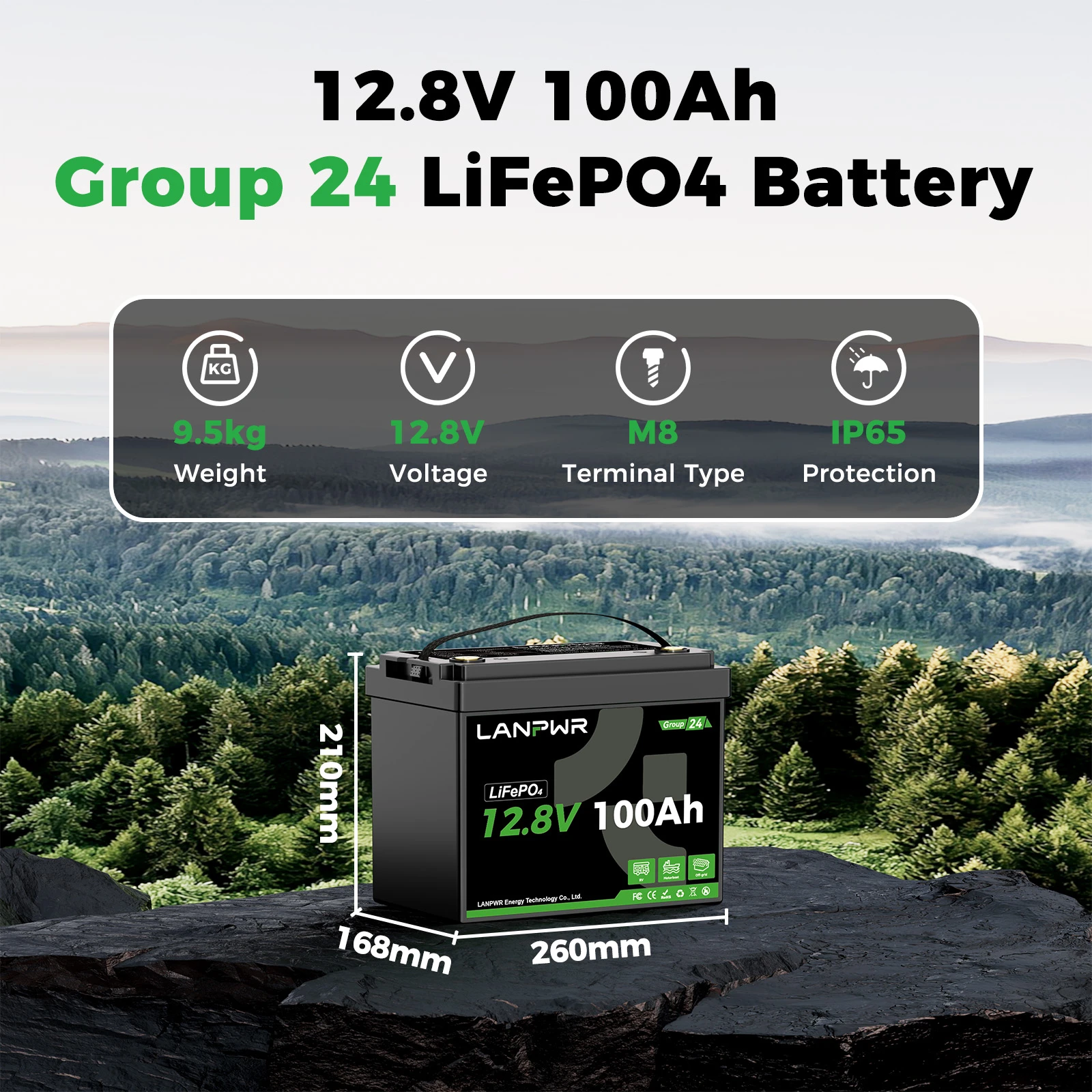
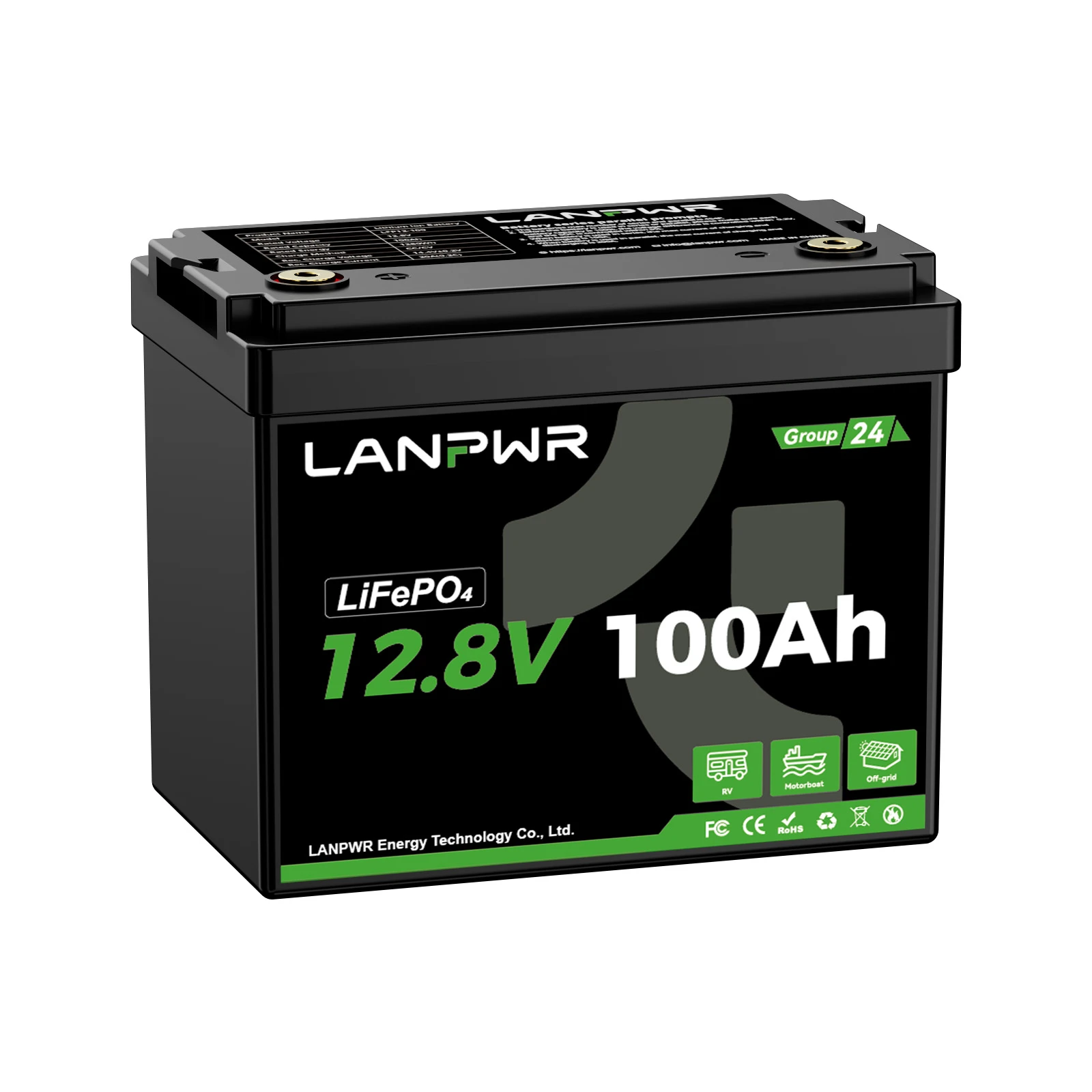
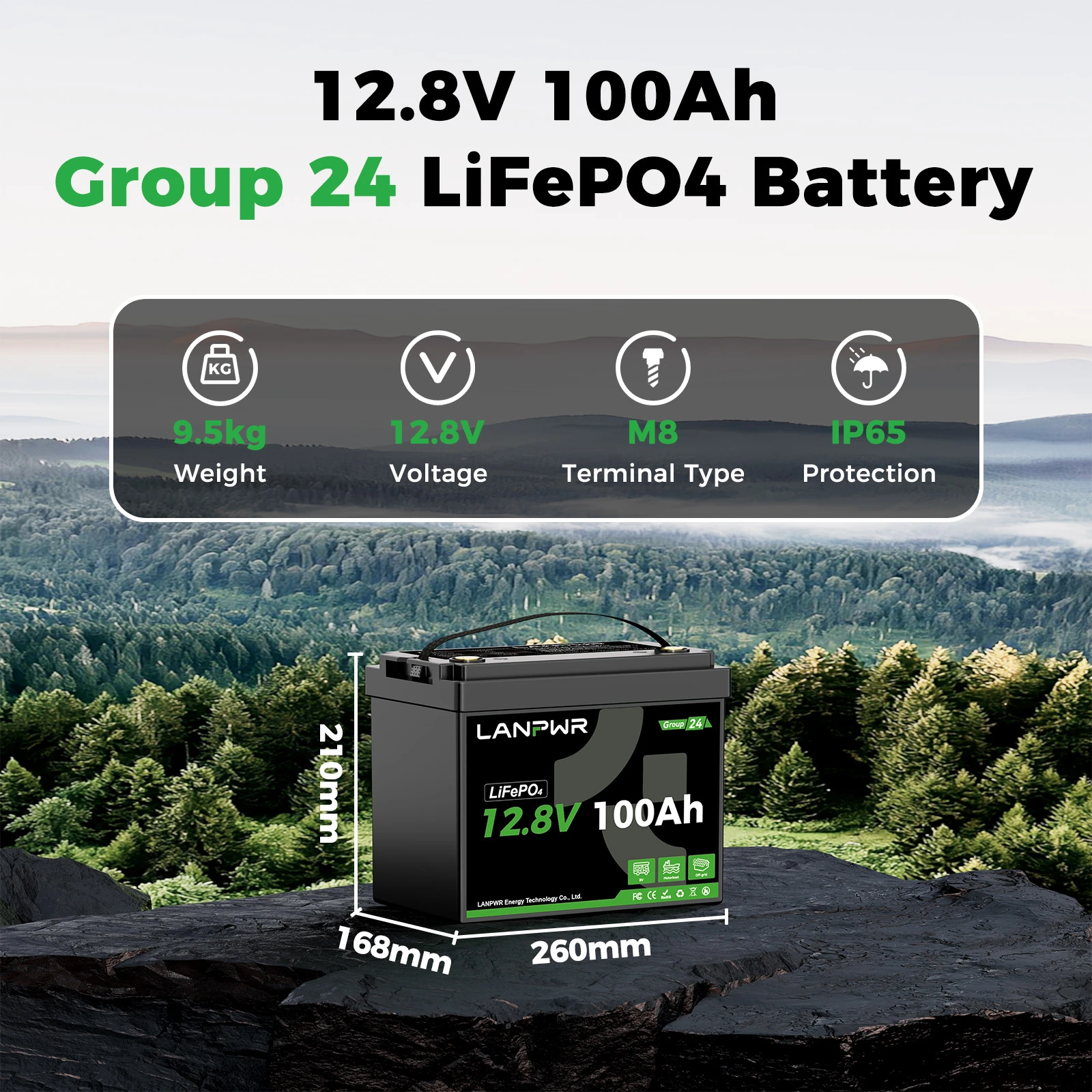
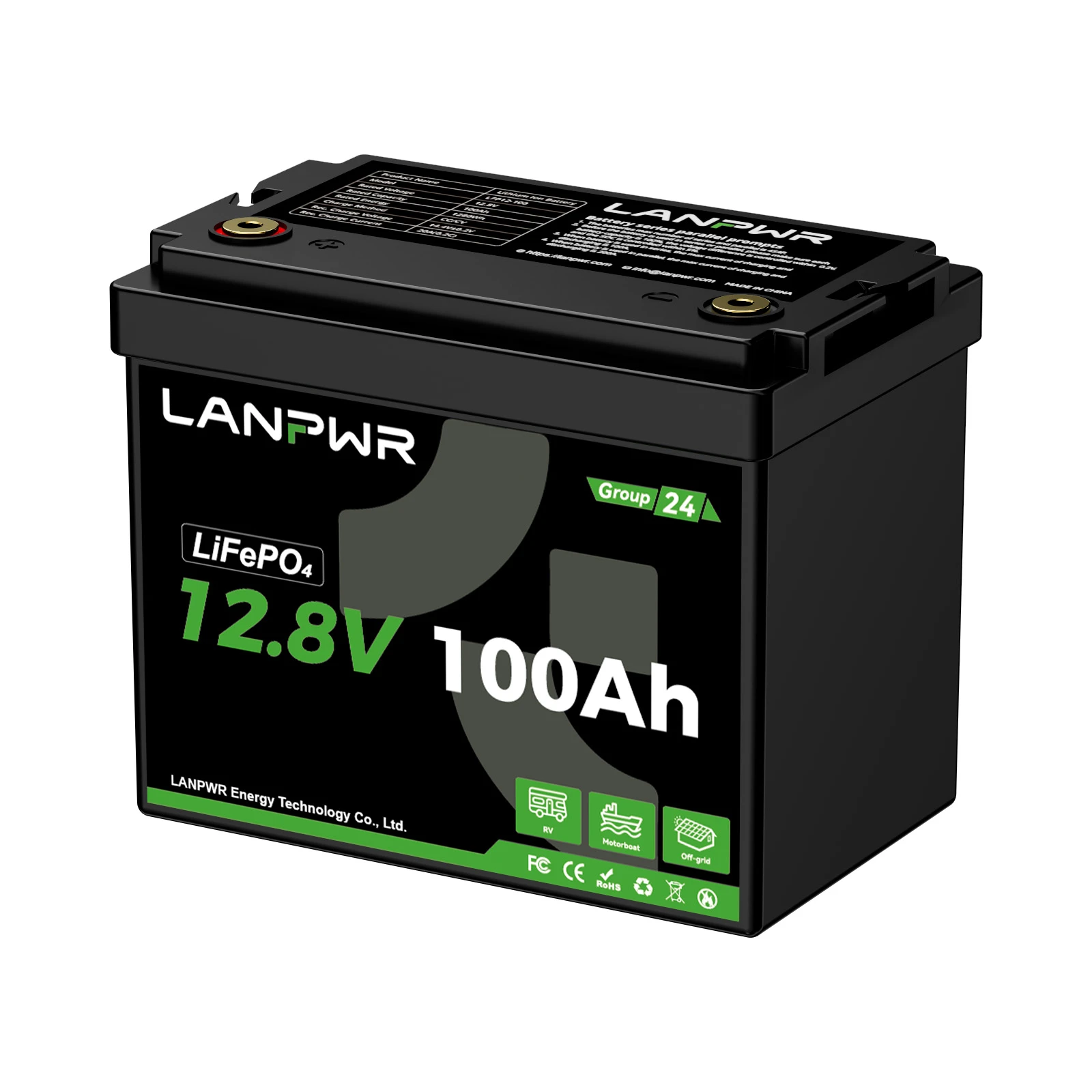
Die Gruppe 24 Batterie ist ein Standardmodell mit den Abmessungen 260 × 168 × 210 mm (L*B*H), das häufig in Fahrzeugen, Notstromsystemen und medizinischen Geräten zu finden ist. Diese Batterien werden häufig als Tiefzyklus-Batterien verwendet, anstatt zum Starten von Motoren.
A:
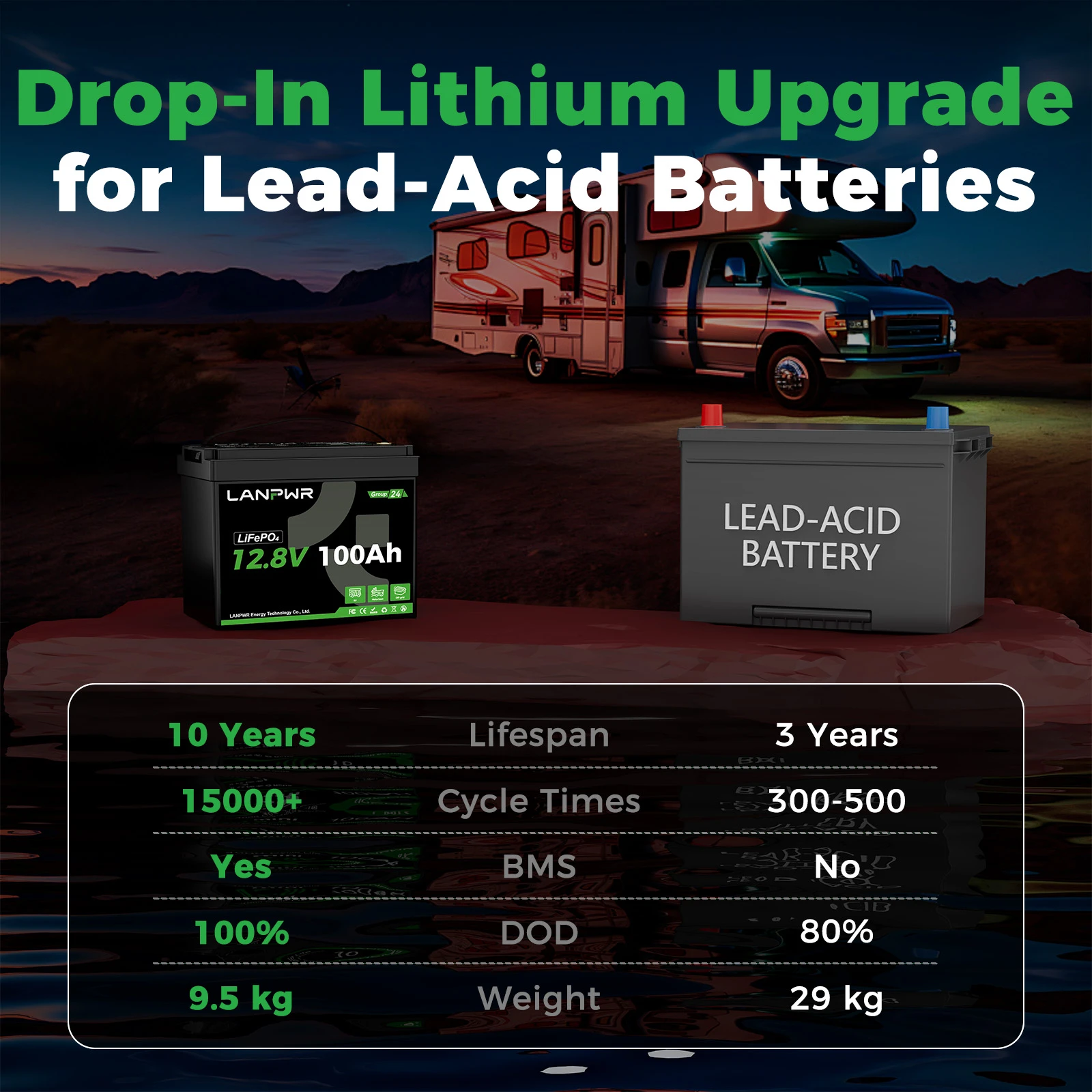
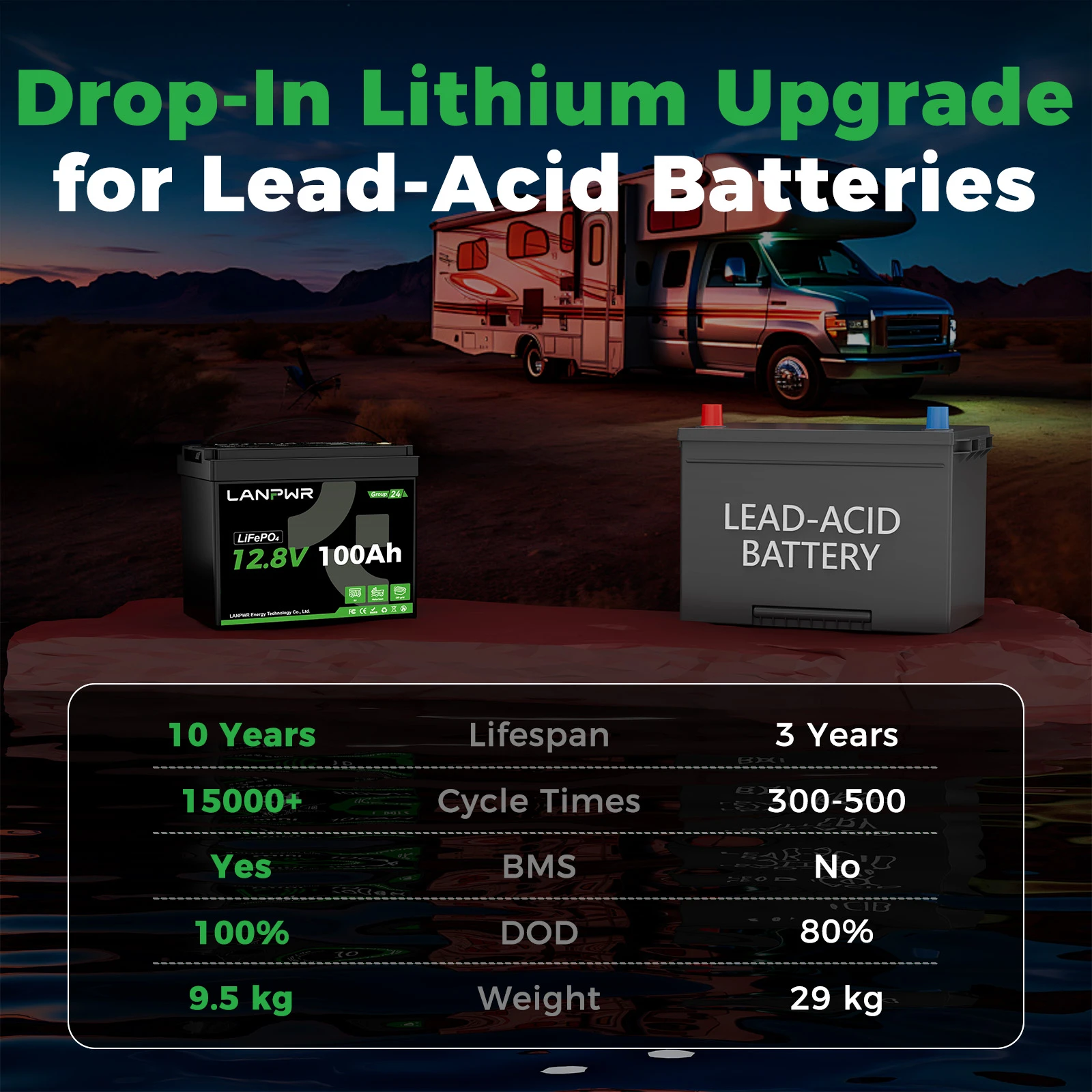
Bei normalem Gebrauch kann die Batterie tausende von Lade- und Entladezyklen liefern, was deutlich länger ist als bei herkömmlichen Blei-Säure-Batterien.
Die tatsächliche Lebensdauer hängt von folgenden Faktoren ab:
Bei ordnungsgemäßer Verwendung kann die Batterie viele Jahre halten.
A:
Der Akku verfügt über ein versiegeltes Gehäuse, das gegen Staub und Wasserspritzer schützt.
Er ist jedoch nicht für vollständiges Eintauchenausgelegt.
Für maritime Umgebungen wird empfohlen:
A:
LiFePO₄-Batterien haben eine flache Entladungsspannungskurve.
Im Gegensatz zu Blei-Säure-Batterien, die beim Entladen kontinuierlich an Spannung verlieren, hält die LANPWR-Lithiumbatterie während der meisten ihrer nutzbaren Kapazität eine nahezu nominale Spannung.
Infolgedessen:
A:
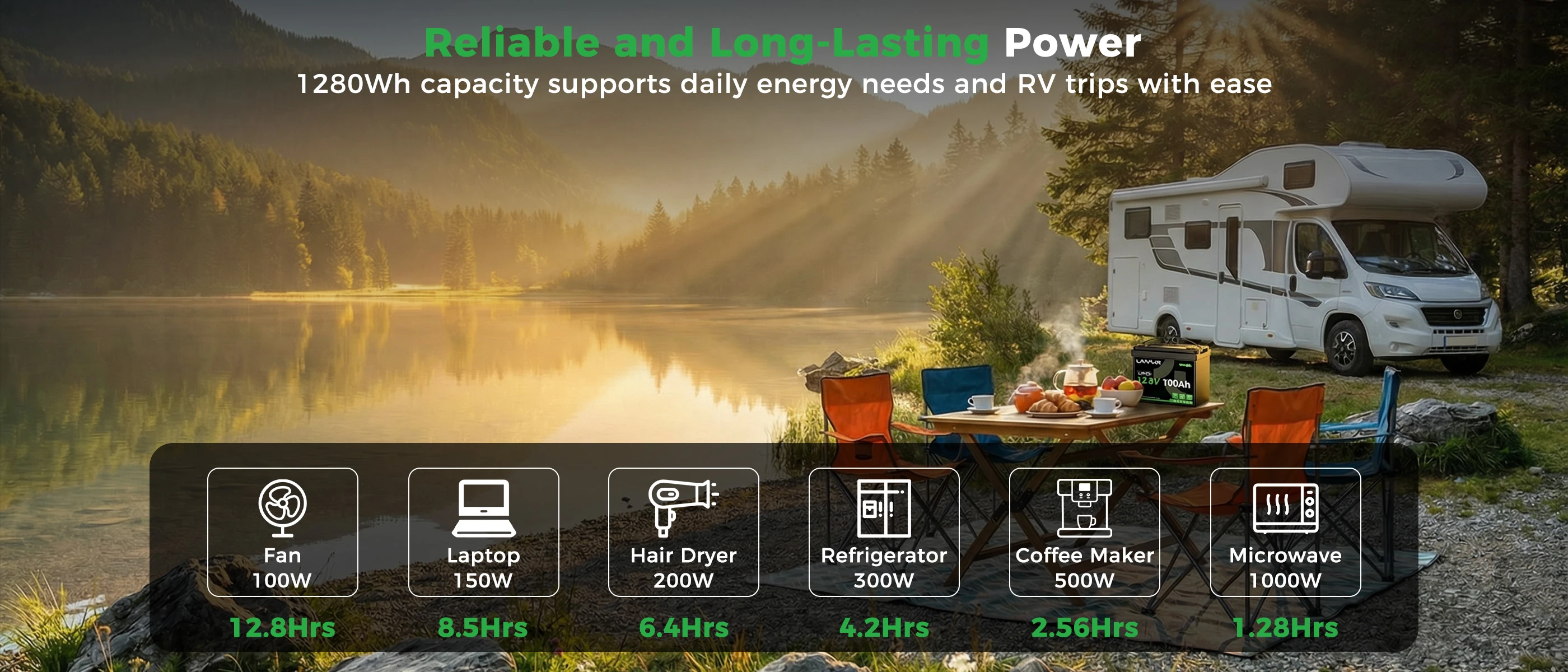
Ja. Die LANPWR 12V 100Ah G24 Mini-Batterie ist geeignet für:
Ihre Tiefzyklusfähigkeit, stabile Spannungsabgabe und lange Lebensdauer machen sie ideal für den täglichen Gebrauch in diesen Systemen.
A:
Wichtig: Zusätzliche Komponenten wie Drähte, Sicherungen, Sammelschienen oder andere Zubehörteile sind nicht enthalten und müssen separat gekauft werden.
A:
Ja, wenn genaue Informationen zum Ladezustand erforderlich sind.
Da LiFePO₄-Batterien eine stabile Spannung aufrechterhalten, sind spannungsbasierte Indikatoren nicht genau.
Ein shunt-basierter Batteriemonitor (Coulomb-Zähler) wird für eine präzise Kapazitätsüberwachung empfohlen.